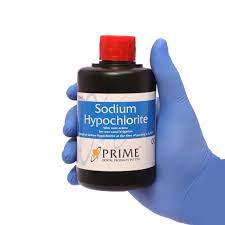
Uses
Sodium hypochlorite is a chemical compound widely used for its disinfecting properties. It acts as a potent antimicrobial agent, capable of killing a variety of bacteria, viruses, and fungi. Due to its efficacy in eliminating harmful pathogens, sodium hypochlorite finds extensive usage in various applications:
- Water Treatment: Sodium hypochlorite is commonly used in water treatment facilities to purify drinking water and wastewater. It efficiently eradicates harmful microorganisms, ensuring the water is safe for consumption.
- Disinfection: This compound is widely employed as a surface and equipment disinfectant in medical facilities, laboratories, and the food industry. It helps in eliminating infectious agents and preventing the spread of diseases.
- Swimming Pools and Spas: Sodium hypochlorite is added to swimming pools and spas to maintain proper sanitation levels. It helps eliminate bacteria, viruses, and other harmful organisms that may thrive in such environments.
- Laundry and Cleaning Products: Many laundry detergents and household cleaning products contain sodium hypochlorite as an active ingredient. It aids in removing stains, whitening fabrics, and disinfecting surfaces.
Benefits
Sodium hypochlorite offers several benefits due to its powerful disinfectant properties:
- Effective Disinfection: Sodium hypochlorite is highly effective in killing bacteria, viruses, and other harmful microorganisms, making it an essential tool in maintaining hygiene and preventing the spread of infections.
- Wide Spectrum of Action: It exhibits a broad range of antimicrobial activity, allowing it to combat various pathogens effectively.
- Cost-Effective: Sodium hypochlorite is relatively affordable and readily available, making it a cost-effective solution for disinfection purposes in both professional and household settings.
- Ease of Use: It can be easily applied in liquid form, allowing for convenient and straightforward usage on different surfaces.
Side Effects
While sodium hypochlorite offers numerous benefits, it is crucial to be aware of its potential side effects:
- Skin and Eye Irritation: Direct contact with sodium hypochlorite solutions may cause skin irritation, redness, itching, or burns. Similarly, eye exposure to the compound can lead to irritation, tearing, and blurred vision.
- Respiratory Issues: Inhalation of sodium hypochlorite vapors or mists can result in respiratory problems such as coughing, wheezing, or shortness of breath. It is essential to use proper protective measures when handling or working with this chemical.
- Allergic Reactions: Some individuals may experience allergic reactions upon exposure to sodium hypochlorite. Symptoms may include skin rashes, hives, swelling, and difficulty breathing. Immediate medical attention is necessary if such reactions occur.
- Corrosive Effects: If not handled correctly, sodium hypochlorite can corrode certain metals, leading to damage or failure of equipment or structures.
Warnings
Considering the potent nature of sodium hypochlorite, it is essential to adhere to specific precautions:
- Proper Ventilation: Ensure adequate ventilation when using sodium hypochlorite to prevent the accumulation of vapors.
- Protective Equipment: Wear protective gloves, goggles, and a respiratory mask when handling the chemical to minimize the risk of exposure.
- Dilution: Always follow the recommended dilution instructions when using sodium hypochlorite to avoid accidental burns or damage to surfaces.
- Storage and Disposal: Store sodium hypochlorite in a cool and well-ventilated area, away from children or pets. Properly dispose of any unused or expired solutions according to local regulations.
- Consult Professionals: Seek medical advice before using sodium hypochlorite if you have any pre-existing medical conditions, allergies, or are unsure about its compatibility with certain materials.
FAQs
Yes, sodium hypochlorite can be used to disinfect fruits and vegetables. However, ensure proper dilution and rinse thoroughly afterward to remove any residual chemical.
When used in appropriate concentrations, sodium hypochlorite is safe for drinking water treatment. It effectively kills bacteria, viruses, and other harmful microorganisms, making the water safe to consume.
Sodium hypochlorite, when used undiluted or in excessive amounts, can cause damage or discoloration to clothing and certain surfaces. Always follow recommended usage guidelines and perform a patch test on surfaces if unsure.
Accidental ingestion of sodium hypochlorite can be harmful. Immediately rinse your mouth with water and seek medical assistance. It is essential not to induce vomiting unless advised by a healthcare professional.
While sodium hypochlorite can inhibit the growth of certain fungi, it is not typically recommended for direct use on fungal infections. Consult a healthcare professional for appropriate antifungal treatments.






