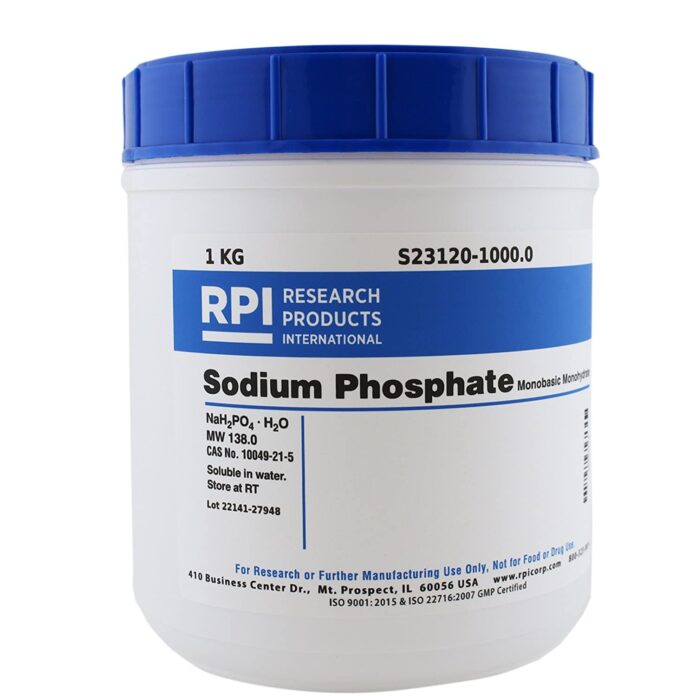
Sodium phosphate is a medication that serves various purposes in the medical field. It is commonly used as a laxative to relieve constipation and also as a solution for bowel cleansing before certain medical procedures. However, it is important to be aware of its potential side effects and warnings before using this medicine.
Uses
Sodium phosphate has several uses in the medical field, including the following:
1. Laxative: It is commonly used as a laxative to treat constipation. It works by increasing the water content and volume in the intestines, softening the stool and making it easier to pass.
2. Bowel cleansing: Sodium phosphate is used to cleanse the bowel before certain medical procedures, such as colonoscopies. It helps to empty the bowel completely, allowing better visibility during these procedures.
3. Phosphate supplement: In some cases, individuals may require additional phosphate in their diet. Sodium phosphate can be used as a supplement to increase phosphate levels in the body.
Benefits
The use of sodium phosphate can provide several benefits, including:
1. Relief from constipation: Sodium phosphate acts as a laxative, providing relief from constipation by promoting regular bowel movements.
2. Effective bowel cleansing: Prior to medical procedures such as colonoscopies, a clean bowel is essential for accurate diagnosis. Sodium phosphate is highly effective in emptying the bowel.
3. Regulates phosphate levels: For individuals with low phosphate levels, sodium phosphate can help restore and maintain normal phosphate levels in the body.
Side Effects
While sodium phosphate is generally safe for use, it can cause certain side effects in some individuals. These side effects may include:
1. Abdominal discomfort: Some individuals may experience abdominal cramping, bloating, or discomfort after taking sodium phosphate.
2. Nausea and vomiting: In certain cases, sodium phosphate may cause nausea and vomiting.
3. Dehydration: The increased water content in the intestine caused by sodium phosphate can lead to dehydration. It is important to ensure adequate fluid intake during and after taking sodium phosphate.
4. Electrolyte imbalances: Sodium phosphate can affect the levels of electrolytes, such as potassium and calcium, in the body. This can lead to irregular heart rhythms and muscle weakness.
Warnings
There are certain precautions and warnings associated with the use of sodium phosphate:
1. Allergies: Individuals with allergies to sodium phosphate or any of its components should avoid its use.
2. Kidney problems: People with kidney problems, such as kidney stones or kidney disease, should use sodium phosphate with caution. It is essential to consult a healthcare professional before use.
3. Heart conditions: Individuals with heart conditions should use caution when taking sodium phosphate as it can cause electrolyte imbalances, which may affect the heart’s functioning.
4. Pregnancy and breastfeeding: It is important to consult with a medical professional before using sodium phosphate if you are pregnant or breastfeeding.
5. Interactions: Sodium phosphate may interact with other medications and substances, such as antacids, diuretics, and certain antibiotics. It is crucial to inform your healthcare provider about all medications you are taking.
FAQs
Yes, sodium phosphate can cause dehydration due to increased water content in the intestine. It is important to stay adequately hydrated during and after taking this medication.
Sodium phosphate may be used in children but should be done under the supervision of a healthcare professional. Proper dosage and precautions should be followed.
The effects of sodium phosphate as a laxative usually occur within 30 minutes to 6 hours after taking it. It is important to follow the recommended dosage and wait for the desired effect.
Sodium phosphate is generally not recommended for long-term use as a laxative. Prolonged reliance on laxatives may lead to dependency and can be harmful to the digestive system.
Sodium phosphate can be taken with or without food, depending on the specific instructions provided by the healthcare professional or the specific product label. It is essential to follow the recommended guidelines.






