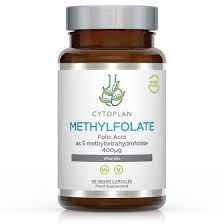
Methylfolate, also known as L-methylfolate or 5-MTHF, is the active form of folate that plays a crucial role in various bodily functions. It is a biologically active form of folate that can be easily absorbed and utilized by the body. In this article, we will explore the uses, benefits, side effects, and warnings associated with methylfolate.
Uses of Methylfolate
Methylfolate is often used as a supplement to address folate deficiency, a condition that can lead to various health problems. Folate is vital for the production of DNA, RNA, and red blood cells. It helps with proper brain function, supports fetal development during pregnancy, maintains a healthy cardiovascular system, and assists in the production of certain neurotransmitters like serotonin, dopamine, and norepinephrine.
Benefits of Methylfolate
1. Folate Deficiency Treatment: Methylfolate supplementation is commonly prescribed to individuals with a diagnosed folate deficiency. It helps to increase folate levels and prevent associated health complications.
2. Mental Health Support: Studies have shown that methylfolate may have a positive impact on mental health. It is believed to enhance the production of neurotransmitters like serotonin, which are crucial for regulating mood. Consequently, it may be useful in managing depression and anxiety disorders.
3. Cardiovascular Health: Adequate levels of methylfolate are essential for maintaining a healthy cardiovascular system. It helps to convert homocysteine into methionine, an amino acid involved in DNA synthesis and repair. Elevated homocysteine levels have been associated with an increased risk of cardiovascular diseases, and methylfolate can help maintain healthy levels.
4. Pregnancy Support: Methylfolate supplementation is often recommended during pregnancy to support proper fetal development. It is crucial for the formation of the neural tube in the early stages of pregnancy, which eventually develops into the baby’s brain and spinal cord. Adequate folate levels during pregnancy can help reduce the risk of neural tube defects.
Side Effects of Methylfolate
While methylfolate is generally safe for most individuals, some may experience minor side effects, including:
1. Nausea
2. Upset stomach
3. Diarrhea
4. Irritability
5. Sleep disturbances
These side effects are usually mild and tend to resolve on their own. However, if they persist or worsen over time, it is advisable to consult a healthcare professional.
Warnings
1. Allergic Reactions: Individuals with a known allergy to folate or methylfolate should avoid its usage. Allergic reactions may range from a mild rash to severe breathing difficulties. Immediate medical attention should be sought in case of an allergic reaction.
2. Medical Conditions: Individuals with certain medical conditions such as epilepsy or bipolar disorder should consult a healthcare professional before using methylfolate due to potential interactions with medications used for these conditions.
3. Drug Interactions: Methylfolate may interact with certain medications, such as antiepileptics, methotrexate, and certain antidepressants. It is essential to inform your healthcare provider about all the medications you are currently taking to avoid any potential interactions.
4. Dosage: Adhering to the recommended dosage is crucial. Higher than recommended doses of methylfolate may lead to adverse effects. It is important to follow the instructions provided by a healthcare professional or the product’s label.
5. Pregnancy and Breastfeeding: Methylfolate supplementation is generally considered safe during pregnancy and breastfeeding. However, it is best to consult a healthcare professional before using any supplements during these periods to ensure the correct dosage and suitability for both the mother and baby.
Frequently Asked Questions (FAQs)
Methylfolate is available as an over-the-counter supplement and does not require a prescription. However, it is advisable to consult a healthcare professional before starting any new supplement.
While rare, some individuals may experience an allergic reaction to methylfolate. If you have a known allergy to folate or methylfolate, it is best to avoid its usage.
Methylfolate supplementation may be beneficial for individuals with depression, particularly those who have a genetic mutation that impairs folate metabolism. However, it is important to consult a healthcare professional for a proper diagnosis and tailored treatment plan.
Methylfolate can interact with certain antidepressant medications. It is crucial to inform your healthcare provider about all the medications you are taking to avoid any potential interactions.
Methylfolate is generally considered safe for use during pregnancy. In fact, it is often recommended to support proper fetal development. However, it is important to consult a healthcare professional for the correct dosage and suitability during pregnancy.