Uses
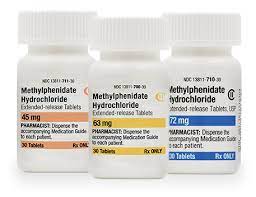
Methylphenidate is a medication primarily prescribed for the treatment of attention deficit hyperactivity disorder (ADHD) in children, adolescents, and adults. It belongs to a class of drugs known as central nervous system (CNS) stimulants. The drug works by increasing the levels of certain chemicals in the brain that help improve focus, attention, and impulse control.
Aside from ADHD, methylphenidate may also be used in the treatment of narcolepsy, a sleep disorder characterized by excessive daytime sleepiness and sudden attacks of sleep.
Benefits
Methylphenidate has proven to be effective in reducing the symptoms of ADHD. It helps individuals with ADHD by enhancing their ability to concentrate, control impulsive behavior, and regulate their activities. By improving these core symptoms, the medication can significantly enhance productivity and overall quality of life for those with ADHD.
For individuals with narcolepsy, methylphenidate can help combat excessive daytime sleepiness, allowing them to stay awake and alert throughout the day. This can greatly improve their ability to function, both socially and professionally.
Side Effects
While methylphenidate can provide significant benefits, it may also cause some side effects. Common side effects include:
- Loss of appetite
- Trouble sleeping
- Headaches
- Dizziness
- Stomachache
- Nervousness
It’s important to note that not everyone experiences these side effects, and they are often mild and temporary. It is advisable to discuss any concerns or persistent side effects with a healthcare professional.
Warnings
Methylphenidate may not be suitable for everyone, and certain precautions should be taken:
- Individuals with glaucoma, severe anxiety or agitation, or a history of drug abuse should avoid methylphenidate.
- It is essential to disclose any other medications, supplements, or herbal remedies being taken to ensure they do not interact negatively with methylphenidate.
- Methylphenidate may affect growth rates in children, so regular monitoring is necessary when using this medication long-term.
- Emergency medical assistance should be sought if signs of allergic reactions, such as rash, itching, swelling, severe dizziness, or trouble breathing, occur.
- Methylphenidate may have certain effects on mood and behavior in some individuals, so close monitoring is necessary, especially when initiating treatment or adjusting the dosage.
FAQs
Yes, methylphenidate is prescribed for both children and adults with ADHD to help manage the symptoms and improve their daily functioning.
The onset of action varies between individuals, but it is usually within 30 to 60 minutes after ingestion. The full effects may be felt within 1 to 4 hours.
Methylphenidate is not approved for weight loss purposes. It is essential to only use medications as prescribed by a healthcare professional.
Yes, there are other medications available for ADHD treatment. Alternatives include amphetamines, atomoxetine, and certain non-stimulant medications. The appropriate choice depends on the individual’s specific needs and medical history.
Methylphenidate has a potential for abuse and dependence, especially when misused or taken in higher doses than prescribed. It is crucial to follow the prescribed dosage and monitor its effects carefully.