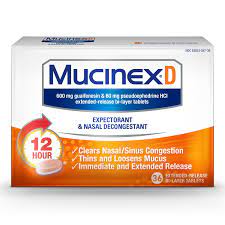
Mucinex D is a commonly used medication that provides relief for symptoms associated with respiratory conditions such as nasal congestion, cough, and excess mucus production. It contains two key ingredients, guaifenesin, and pseudoephedrine, which work together to alleviate congestion and promote easier breathing. Understanding the uses, benefits, side effects, and warnings associated with Mucinex D is essential for the safe and effective use of this medicine.
Uses
Mucinex D is primarily used for the treatment of nasal and chest congestion associated with respiratory conditions, including the common cold, sinusitis, and allergies. It works by aiding the expectoration process, loosening mucus and phlegm in the respiratory tract, and facilitating their removal.
Benefits
The main benefit of Mucinex D is its ability to relieve congestion, enabling individuals to breathe more easily. By targeting excessive mucus production, this medication reduces the symptoms that can impair daily functioning, such as blocked nasal passages and a persistent cough. By alleviating these symptoms, Mucinex D helps individuals feel more comfortable, allowing them to focus on their daily activities and promoting a better quality of life.
Side Effects
Like any medication, Mucinex D may cause certain side effects. However, not everyone experiences these effects, and they are generally well-tolerated. The most commonly reported side effects include dizziness, headache, nausea, nervousness, and trouble sleeping. These side effects are generally mild and temporary. If any of these side effects persist or worsen, it is important to consult a healthcare professional for further guidance.
Warnings
Mucinex D contains pseudoephedrine, a stimulant that can elevate blood pressure and heart rate. Individuals with conditions such as hypertension, heart disease, or thyroid problems should exercise caution while using this medication and consult their healthcare provider for guidance. Additionally, Mucinex D should not be used by individuals who have taken a monoamine oxidase inhibitor (MAOI) in the past two weeks, as it may lead to a hypertensive crisis.
Excessive or prolonged use of Mucinex D can result in a condition known as rebound congestion. This occurs when the nasal passages become dependent on the medication, leading to worsening congestion upon discontinuation. To avoid rebound congestion, it is essential to follow the recommended dosage and usage guidelines provided by a healthcare professional.
In conclusion, Mucinex D offers relief for nasal and chest congestion. It can be safely and effectively used to alleviate these symptoms associated with respiratory conditions. However, it is important to be aware of the potential side effects and warnings, following the recommended dosing guidelines. As with any medication, consulting a healthcare professional before use is advised to address individual concerns and ensure the safe use of Mucinex D.
FAQs
Mucinex D usually starts working within an hour of ingestion. However, individual responses may vary, so it’s important to follow the recommended dosage and give the medication sufficient time to take effect.
It is advisable to consult a healthcare professional before using Mucinex D with other medications, as certain drug interactions may occur. This is especially important for individuals who are taking medications for high blood pressure or other conditions.
Mucinex D is not recommended for children under the age of 12. It is important to consult a pediatrician for appropriate alternatives or dosing instructions for younger individuals.
Mucinex D may cause nervousness, but it is generally not known to cause drowsiness. However, individual responses may vary, so it is advisable to use caution when operating vehicles or engaging in activities requiring alertness.
Pregnant or breastfeeding individuals should consult their healthcare provider before using Mucinex D. The potential risks and benefits of using this medication during these periods should be discussed with a healthcare professional to ensure the safety of both the mother and the baby.






