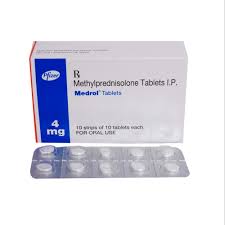
Methylprednisolone is a prescription medication that belongs to a class of drugs known as corticosteroids. It is primarily used to suppress the immune system and reduce inflammation in the body. The medication is available in various forms, including tablets, injections, and ointments.
Uses of Methylprednisolone
Methylprednisolone is widely used to treat a variety of medical conditions due to its anti-inflammatory and immunosuppressive properties. Here are some of its primary uses:
- Arthritis: Methylprednisolone helps to alleviate symptoms of arthritis such as pain, swelling, and joint stiffness. It can be used in both short-term flare-ups and long-term management of the disease.
- Allergies: The medication is often prescribed to relieve severe allergic reactions or asthma attacks that do not respond to other treatments.
- Multiple sclerosis: Methylprednisolone can be used in the treatment of multiple sclerosis relapses to reduce inflammation in the central nervous system and speed up recovery.
- Lupus: This medication is commonly used to manage the symptoms of lupus, an autoimmune disease that affects various organs in the body.
- Respiratory conditions: Methylprednisolone may be prescribed to individuals with chronic obstructive pulmonary disease (COPD), asthma, or other respiratory conditions to reduce inflammation in the airways.
Benefits of Methylprednisolone
Methylprednisolone has numerous benefits for individuals suffering from inflammatory and autoimmune conditions. Some of the key benefits include:
- Pain relief: By suppressing inflammation, methylprednisolone helps to reduce pain associated with various conditions, such as arthritis or allergic reactions.
- Improved mobility: Many individuals with arthritis experience joint stiffness, which can limit their movement. Methylprednisolone can help to improve mobility by reducing swelling and inflammation in the joints.
- Reduced allergy symptoms: Methylprednisolone can rapidly relieve severe allergic reactions, including swelling, itching, and breathing difficulties.
- Controlled immune response: In autoimmune diseases like lupus or multiple sclerosis, the immune system mistakenly attacks healthy cells. Methylprednisolone suppresses this response, helping to manage the symptoms and prevent further damage.
Side Effects of Methylprednisolone
Like any medication, methylprednisolone can cause side effects, although not everyone experiences them. Some common side effects include:
- Increased appetite: Methylprednisolone can lead to increased hunger and weight gain.
- Fluid retention: Individuals taking this medication may experience swelling or edema due to fluid retention.
- Mood changes: Methylprednisolone can cause mood swings, irritability, or even depression in some individuals.
- Difficulty sleeping: Insomnia or disrupted sleep patterns can occur as a side effect of this medication.
- Increased risk of infections: Since methylprednisolone suppresses the immune system, individuals taking this medication are more susceptible to infections.
Warnings and Precautions
Before taking methylprednisolone, it is important to be aware of certain warnings and precautions:
- Allergies: Inform your healthcare provider if you have any known allergies to corticosteroids or any other medications.
- Underlying conditions: Methylprednisolone may not be suitable for individuals with certain conditions, such as fungal infections or certain eye conditions. It is essential to discuss your medical history with your doctor.
- Pregnancy and breastfeeding: Methylprednisolone should be used with caution during pregnancy and breastfeeding, as it may have potential risks to the fetus or the nursing infant. Consult your doctor if you are pregnant, planning to become pregnant, or breastfeeding.
- Long-term use: Avoid abrupt discontinuation of the medication, as this can lead to withdrawal symptoms. It is important to follow your healthcare provider’s instructions regarding dosage and duration of treatment.
- Interactions: Methylprednisolone may interact with other medications or supplements, including non-prescription drugs. Inform your healthcare provider about all medications you are currently taking to avoid potential interactions.
FAQs (Frequently Asked Questions)
It is always important to consult your healthcare provider before combining methylprednisolone with other medications, as it may interact with certain drugs. Inform your doctor about all the medications you are currently taking, including over-the-counter drugs and herbal supplements.
The onset of action may vary depending on the condition being treated and the route of administration. Generally, some relief of symptoms can be expected within a few hours to a few days. However, full benefits may only be realized after a few weeks of consistent use.
Stopping methylprednisolone abruptly can lead to withdrawal symptoms, including fatigue, joint pain, and muscle aches. It is important to follow your healthcare provider’s instructions regarding the dosage and duration of treatment. If you need to discontinue the medication, it should be done gradually under medical supervision.
In some individuals, methylprednisolone can cause increased appetite and fluid retention, leading to weight gain. Monitoring your diet, exercising regularly, and discussing any concerns with your healthcare provider can help manage potential weight gain.
Individuals with diabetes should use caution while taking methylprednisolone, as it may affect blood sugar levels. Regular monitoring of blood glucose levels and close communication with your healthcare provider can help optimize diabetes management while using this medication.






