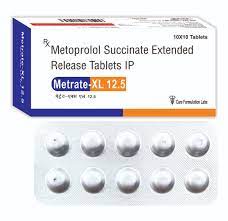
Metoprolol succinate is a medication commonly prescribed to treat various heart conditions. It belongs to a class of drugs known as beta blockers and is primarily used to treat high blood pressure, angina (chest pain), and heart failure. This article will explore the uses, benefits, side effects, and warnings associated with metoprolol succinate.
Uses
Metoprolol succinate is primarily prescribed to manage high blood pressure, also known as hypertension. By blocking certain receptors in the heart and blood vessels, it helps to lower blood pressure and reduce the workload on the heart.
Additionally, the medication is often prescribed to relieve symptoms of angina. Angina is a condition characterized by chest pain or discomfort caused by reduced blood flow to the heart. Metoprolol succinate helps dilate blood vessels, improving blood flow and reducing the severity and frequency of angina episodes.
Metoprolol succinate is also useful in the treatment of heart failure. It helps increase the heart’s ability to pump blood effectively and reduces strain on the heart muscles.
Benefits
The use of metoprolol succinate provides numerous benefits for individuals suffering from heart conditions. Some of the key advantages include:
1. Lowering blood pressure: By blocking specific receptors, metoprolol succinate reduces the pressure on the blood vessels, resulting in lower blood pressure levels.
2. Reducing chest pain and angina symptoms: This medication helps to enhance blood flow to the heart, alleviating chest pain and reducing the frequency of angina attacks.
3. Managing heart failure: Metoprolol succinate improves the heart’s ability to pump blood, which can be critically beneficial for individuals with heart failure.
4. Improved exercise tolerance: By reducing the workload on the heart, metoprolol succinate allows individuals to engage in physical activities with less strain and discomfort.
Side Effects
Like any medication, metoprolol succinate can cause side effects, although not everyone experiences them. Common side effects may include fatigue, dizziness, headache, nausea, stomach upset, and low blood pressure. These side effects are generally mild and temporary. However, if they persist or worsen, it is important to inform your healthcare provider.
There are also potential rare but serious side effects associated with metoprolol succinate, including depression, shortness of breath, unexplained weight gain, swelling in the ankles or feet, and slow or irregular heartbeat. If you experience any of these severe side effects, seek immediate medical attention.
Warnings
When taking metoprolol succinate, it is essential to consider certain warnings. Inform your doctor if you have any existing medical conditions, especially asthma, diabetes, liver or kidney disease, or certain heart conditions. Metoprolol succinate may interact with other medications, so it is crucial to disclose any other medications or supplements you are currently taking.
It is important to take metoprolol succinate as prescribed and not to suddenly stop the medication without your doctor’s guidance. Abruptly stopping the medication can lead to a rebound effect, causing an increase in blood pressure or chest pain.
Metoprolol succinate can also mask symptoms of low blood sugar, making it more challenging to recognize and manage the condition in individuals with diabetes. Regular monitoring of blood sugar levels is necessary for diabetic patients taking this medication.
FAQs
Metoprolol succinate can be taken with or without food. However, it is advisable to follow the instructions provided by your healthcare provider or the medication label.
Consuming alcohol while on metoprolol succinate can increase the medication’s side effects, such as dizziness or lightheadedness. It is recommended to limit or avoid alcohol consumption while taking this medication.
Weight gain is considered a rare side effect of metoprolol succinate. If you notice unexplained weight gain while taking this medication, consult your doctor for further evaluation.
Metoprolol succinate should not be taken without medical advice during pregnancy as it may pose certain risks to the fetus. Consult your healthcare provider regarding the use of this medication if you are pregnant or planning to become pregnant.
Metoprolol succinate can be prescribed to elderly individuals; however, a lower dose may be recommended due to age-related changes in metabolism and potential interactions with other medications. It is crucial to consult a healthcare provider for appropriate dosing and monitoring.






