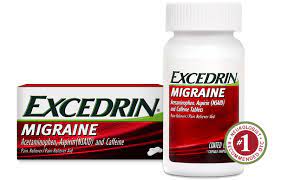
Migraine is a debilitating neurological disorder that affects millions of people worldwide. It is characterized by severe headaches, often accompanied by other symptoms such as nausea, vomiting, and sensitivity to light and sound. While there is no cure for migraines, there are medications available that can help manage the symptoms and provide relief. In this article, we will discuss the uses, benefits, side effects, and warnings associated with migraine medications.
Uses
Migraine medications are primarily used for the treatment and prevention of migraines. They work by targeting the underlying causes of migraines, such as the dilation of blood vessels in the brain or the release of certain chemicals that trigger pain signals. These medications can help reduce the frequency and intensity of migraines, as well as alleviate associated symptoms. They are often prescribed alongside lifestyle modifications, such as stress reduction techniques and dietary changes, to provide comprehensive management of migraines.
Benefits
The benefits of migraine medications are numerous. Firstly, they can provide fast and effective relief from the intense pain associated with migraines. This can greatly improve the quality of life for individuals suffering from chronic migraines. Additionally, these medications can help prevent future migraines by reducing the frequency and severity of attacks. By managing migraines effectively, individuals can experience fewer interruptions to their daily activities and enjoy a better overall sense of well-being.
Side Effects
Like any medication, migraine medications can have side effects. These can vary depending on the specific medication being used. Common side effects include drowsiness, dizziness, nausea, and dry mouth. These side effects are usually temporary and mild, but individuals should consult their healthcare provider if they persist or worsen. In some cases, more serious side effects may occur, such as allergic reactions or changes in heart rate and blood pressure. It is important to carefully read the medication’s package insert and follow the prescribed dosage to minimize the risk of side effects.
Warnings
There are certain warnings associated with the use of migraine medications that individuals should be aware of. Firstly, these medications should not be used by individuals with certain medical conditions, such as liver or kidney disease, as they can potentially worsen these conditions. Additionally, some migraine medications may interact with other medications, including over-the-counter drugs and herbal supplements, leading to potentially harmful effects. It is crucial to inform your healthcare provider about all medications and supplements you are currently taking to avoid any adverse interactions. Lastly, pregnant or breastfeeding women should consult their healthcare provider before taking any migraine medications, as some may not be safe for use during these periods.
Frequently Asked Questions (FAQs)
No, migraine medications cannot cure migraines. They can only help manage the symptoms and reduce the frequency and intensity of migraines.
The onset of action varies depending on the specific medication. Some medications provide fast relief within minutes, while others may take longer to take effect.
Over-the-counter painkillers may provide temporary relief for mild migraines, but they are not as effective as prescribed migraine medications for managing severe or frequent migraines. It is best to consult your healthcare provider for appropriate medication recommendations.
Yes, certain lifestyle changes can help reduce the frequency and severity of migraines. These include managing stress levels, getting regular exercise, maintaining a healthy diet, and ensuring adequate sleep.
Some migraine medications may cause drowsiness or dizziness, which can impair your ability to drive or operate heavy machinery. It is important to read the medication’s package insert and follow any warnings regarding driving or operating machinery.






