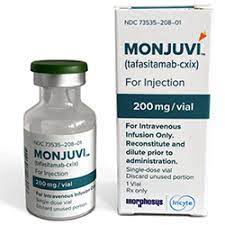
Monjuvi Intravenous is a medication that is used in the treatment of certain types of cancer, particularly lymphoma. It is a targeted therapy that works by blocking the growth and spread of cancer cells. This article will delve into the uses, benefits, side effects, and warnings associated with Monjuvi Intravenous.
Uses
Monjuvi Intravenous is primarily used in the treatment of relapsed or refractory diffuse large B-cell lymphoma (DLBCL), a type of non-Hodgkin lymphoma. It is specifically approved for use in combination with lenalidomide, another cancer medication.
This targeted therapy is designed to target and bind to CD19, a protein found on the surface of B cells. By doing so, Monjuvi Intravenous helps to destroy cancerous B cells and inhibit their growth.
Benefits
The use of Monjuvi Intravenous, in combination with lenalidomide, has been shown to provide several benefits for individuals with relapsed or refractory DLBCL:
- Increased progression-free survival: Studies have demonstrated that treatment with Monjuvi Intravenous can significantly extend the time before the disease progresses.
- Improved overall response rate: The combination therapy has been found to increase the overall response rate, meaning a higher percentage of patients experience a reduction in tumor size or disappearance of cancerous cells.
- Enhanced duration of response: Monjuvi Intravenous has been shown to prolong the duration of response, meaning the positive effects of treatment are sustained for a longer period of time.
Side Effects
As with any medication, Monjuvi Intravenous can cause side effects. It is important to note that not all individuals will experience these side effects, and the severity may vary from person to person. Common side effects associated with Monjuvi Intravenous include:
- Fatigue
- Nausea
- Diarrhea
- Fever
- Decreased appetite
- Constipation
It is essential to inform your healthcare provider about any side effects you experience, as they can provide guidance on managing these symptoms or adjusting the dosage if necessary.
Warnings
Before starting treatment with Monjuvi Intravenous, it is crucial to discuss any pre-existing medical conditions or allergies with your healthcare provider. Additionally, inform your doctor about any other medications, vitamins, or herbal supplements you are taking.
Monjuvi Intravenous may interact with certain medications, so it is vital to disclose your complete medical history to ensure safe and effective treatment.
It is important to follow the dosage and administration instructions provided by your healthcare provider. Do not alter the dosage without consulting your doctor.
If you experience any severe side effects, such as difficulty breathing, severe allergic reactions, or signs of infection, seek immediate medical attention.
FAQs
No, Monjuvi Intravenous is approved for use in combination with lenalidomide for the treatment of relapsed or refractory DLBCL.
Monjuvi Intravenous is typically administered once weekly for the first three weeks of each 28-day treatment cycle.
Long-term side effects of Monjuvi Intravenous are still being studied. It is essential to discuss any concerns with your healthcare provider.
The safety and efficacy of Monjuvi Intravenous have not been established in pediatric patients, so it is primarily used in adults.
Monjuvi Intravenous is not a curative treatment for DLBCL. It aims to control the progression of the disease and improve response rates.