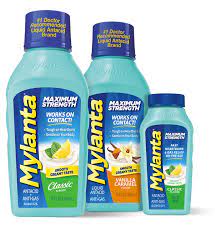
Mylanta is a widely used over-the-counter antacid medication that provides relief from indigestion, heartburn, and acid reflux. It contains a combination of aluminum hydroxide, magnesium hydroxide, and simethicone, which work together to neutralize stomach acid and alleviate symptoms of gastrointestinal discomfort. Understanding the uses, benefits, side effects, and warnings associated with Mylanta is important for safe and effective use of this medication.
Uses
Mylanta is primarily used to relieve symptoms associated with indigestion, including heartburn, acid reflux, and upset stomach. It works by neutralizing excess stomach acid, providing quick relief to those experiencing discomfort. Additionally, Mylanta contains simethicone, which helps to reduce gas and bloating in the digestive system, providing further relief from indigestion-related symptoms.
Benefits
The use of Mylanta offers several benefits to individuals suffering from indigestion or related symptoms. By neutralizing stomach acid, Mylanta helps to alleviate heartburn and acid reflux, reducing discomfort and promoting overall well-being. Furthermore, the inclusion of simethicone in Mylanta helps to relieve gas and bloating, providing quick relief and restoring gastrointestinal comfort. Mylanta is available as a liquid or chewable tablets, making it convenient and easily accessible for individuals in need of immediate relief.
Side Effects
While Mylanta provides effective relief for many, it may cause certain side effects in rare cases. Common side effects include constipation or diarrhea, as the ingredients may affect the consistency of stools. Some individuals may experience nausea, vomiting, or loss of appetite. These side effects are usually mild and go away on their own. However, if any of these side effects persist or worsen, it is important to consult a healthcare professional.
Warnings
Although Mylanta is usually safe for most individuals, certain precautions should be taken to ensure its optimal use. Patients with kidney disease or gastrointestinal disorders should consult their healthcare provider before using Mylanta. It is also important to avoid taking Mylanta for an extended period of time without medical supervision, as it may interfere with the absorption of certain medications. Lastly, individuals with certain allergies or sensitivities to the ingredients of Mylanta should avoid its use and seek alternative treatments.
FAQs
Mylanta typically starts working in a matter of minutes. However, the duration of relief varies depending on the severity of symptoms and individual response.
Mylanta is generally safe to use during pregnancy and while breastfeeding. However, it is recommended to consult a healthcare professional before using any medication during these periods.
Mylanta may interfere with the absorption of certain medications. It is advisable to consult a healthcare provider or pharmacist to determine any potential interactions before combining Mylanta with other medications.
Yes, Mylanta can be taken on an empty stomach. In fact, taking it before meals can help prevent indigestion and heartburn.
Mylanta is not recommended for children under 12 years of age unless directed by a healthcare professional. It is important to follow the appropriate dosing instructions for pediatric use.