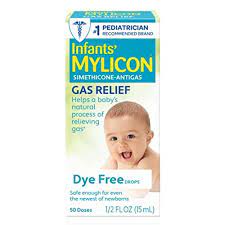
Mylicon Drops is a commonly used medication that helps relieve discomfort caused by infant gas. It contains simethicone, which works by breaking up gas bubbles in the digestive tract, making it easier for babies to pass gas and reduce discomfort. In this article, we will discuss the uses, benefits, side effects, and important warnings associated with Mylicon Drops.
Uses
Mylicon Drops are primarily used to treat symptoms related to infant gas. Gas build-up in a baby’s digestive system can cause significant discomfort, leading to fussiness, bloating, and crying. Mylicon Drops help to alleviate these symptoms by reducing the size and number of gas bubbles in the baby’s stomach and intestines.
Moreover, Mylicon Drops are safe to be used on infants as young as newborns. It provides relief without the need for oral ingestion, making it a convenient option for parents to administer to their babies.
Benefits
The benefits of using Mylicon Drops go beyond simply alleviating infant gas. Some additional advantages include:
- Pain relief: Mylicon Drops help reduce discomfort caused by trapped gas, relieving pain and soothing babies.
- Non-addictive: As a non-addictive medication, Mylicon Drops can be safely used whenever a baby experiences gas-related discomfort.
- Safety profile: Mylicon Drops have a long history of safe use for infants, with minimal reported side effects.
- Easy administration: The drops can be easily dispensed into a baby’s mouth or mixed with formula or breast milk.
Side Effects
While Mylicon Drops are generally considered safe, there are a few minor side effects that can occur. These include:
- Constipation: In rare cases, Mylicon Drops may cause constipation in infants, leading to difficulty in passing stools.
- Diarrhea: Similarly, some babies may experience loose stools as a result of using Mylicon Drops.
- Allergic reaction: Although rare, some infants may develop an allergic reaction to the medication. If any signs of an allergic reaction, such as rash, swelling, or trouble breathing, occur, immediate medical attention should be sought.
If any concerning side effects arise or persist, it is crucial to consult a healthcare professional to determine the best course of action.
Warnings
While Mylicon Drops are generally safe for infants, certain precautions should be followed:
- Avoid excessive use: It is important to administer Mylicon Drops only as directed by a healthcare professional or as instructed on the packaging. Overuse of the medication without medical guidance may increase the risk of side effects.
- Consult a healthcare professional: Before using Mylicon Drops, it is advisable to consult with a healthcare professional, particularly if the baby has any pre-existing medical conditions or is taking medication.
- Age restrictions: Mylicon Drops are intended for infants and young children. It is not recommended for use in adults or children above the stated age range.
- Store properly: Keep Mylicon Drops out of reach of children and store them according to the instructions provided, typically at room temperature.
FAQs
Here are some frequently asked questions about Mylicon Drops:
Yes, Mylicon Drops can be safely mixed with most medications. However, it is always best to consult with a healthcare professional or pharmacist before combining any medications.
Mylicon Drops typically start working within a few minutes of administration, providing relief to the baby.
Yes, Mylicon Drops are safe to be used on premature infants. However, it is essential to consult with a healthcare professional for appropriate dosage guidance.
No, Mylicon Drops are generally safe and do not have any long-term side effects when used as directed. However, if you have any concerns, it is best to consult with a healthcare professional.
While Mylicon Drops may offer some relief for colicky babies by aiding in reducing gas, it is essential to consult with a healthcare professional for appropriate management of colic symptoms.
In conclusion, Mylicon Drops provide a safe and effective solution for relieving infant gas and the associated discomfort. However, it is important to follow the recommended usage, be aware of possible side effects, and consult with a healthcare professional for proper guidance when using this medication.