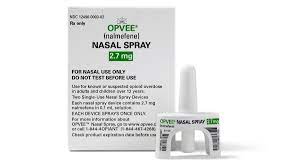
Nalmefene nasal is a medication that is used to treat opioid overdose. It is an opioid receptor antagonist, which means it works by blocking the effects of opioids in the brain. This can help reverse the effects of an opioid overdose and prevent death.
Uses
Nalmefene nasal is primarily used in emergency situations to treat opioid overdose. It can be administered by healthcare professionals or by family members and friends of individuals at risk of overdose. The nasal spray formulation allows for quick and easy administration, making it an effective tool in emergency situations.
In addition to its use in overdose situations, nalmefene nasal may also be used in the management of opioid addiction. It can be prescribed as part of a comprehensive treatment plan that includes counseling and support services. Nalmefene nasal helps to reduce cravings and prevent relapse in individuals who are recovering from opioid addiction.
Benefits
The use of nalmefene nasal has several benefits. First and foremost, it can save lives in the event of an opioid overdose. The nasal spray formulation allows for rapid administration, which is crucial in emergency situations where every second counts. By blocking the effects of opioids, nalmefene can reverse the respiratory depression that occurs during an overdose, preventing death.
Furthermore, nalmefene nasal can be a valuable tool in the treatment of opioid addiction. By reducing cravings and preventing relapse, it can support individuals in their recovery journey. When used as part of a comprehensive treatment plan, nalmefene nasal can help individuals regain control over their lives and break free from the grip of addiction.
Side Effects
Like any medication, nalmefene nasal may cause side effects in some individuals. Common side effects include nasal discomfort, nasal congestion, and headache. These side effects are usually mild and temporary, resolving on their own without any specific treatment.
In rare cases, more serious side effects may occur. These can include allergic reactions, such as difficulty breathing, swelling of the face or throat, and rash. If any of these symptoms occur, immediate medical attention should be sought. It is important to note that the benefits of using nalmefene nasal in emergency situations or in the treatment of addiction generally outweigh the potential risks of side effects.
Warnings
Nalmefene nasal should only be used under the guidance and supervision of a healthcare professional. It is important to follow the prescribed dosage and administration instructions carefully. Using too much nalmefene nasal can lead to serious side effects.
Individuals who are allergic to nalmefene or any of its ingredients should not use this medication. It is important to inform your healthcare provider of any known allergies or sensitivities before starting treatment with nalmefene nasal.
Additionally, nalmefene nasal may interact with other medications. It is important to provide a complete list of all medications, including prescription and over-the-counter drugs, to your healthcare provider before starting treatment with nalmefene nasal.
Pregnant or breastfeeding individuals should consult with their healthcare provider before using nalmefene nasal. The safety of this medication during pregnancy and lactation has not been established.
FAQs
No, nalmefene nasal should only be used by individuals who have received proper training on its administration. It is important to seek immediate medical attention in an emergency situation and let trained professionals handle the administration of medication.
No, nalmefene nasal should be used as part of a comprehensive treatment plan that includes counseling and support services. It is not a stand-alone treatment for addiction.
No, nalmefene nasal is specifically designed to block the effects of opioids and is not effective in treating overdoses of other substances.
No, nalmefene nasal is generally well-tolerated and does not cause any long-term side effects when used as prescribed.
No, nalmefene nasal is not intended for regular use as a preventive measure. It is specifically used in emergency situations or as part of a treatment plan for opioid addiction.






