Uses
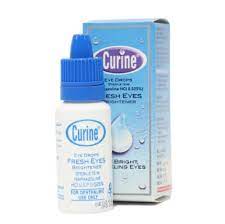
Naphazoline ophthalmic eye drops are a medication used to relieve redness, itching, and watery eyes caused by allergies or irritants. This medication belongs to a class of drugs known as sympathomimetic agents, which work by narrowing the blood vessels in the eye and reducing swelling. It is commonly used for temporary relief of eye symptoms caused by allergies, such as hay fever, and conjunctivitis (pink eye).
Benefits
The main benefit of using naphazoline ophthalmic eye drops is the prompt relief it provides for eye redness, itching, and watering due to allergies or irritants. By constricting the blood vessels, it helps to reduce inflammation and alleviate discomfort. The drops are fast-acting and can provide quick relief from symptoms, allowing individuals to go about their day without the distraction of irritated eyes.
Side Effects
While naphazoline ophthalmic eye drops are generally safe and well-tolerated, there are some potential side effects that users should be aware of. Common side effects include temporary stinging or burning sensation upon application, temporary blurred vision, and increased sensitivity to light. These side effects are usually mild and resolve on their own within a short period of time. However, if these side effects persist or worsen, it is important to seek medical attention.
In rare cases, more serious side effects may occur. These can include eye pain, severe headache, irregular heartbeat, increased blood pressure, and trouble breathing. If any of these severe side effects occur, immediate medical attention is necessary. It is also important to note that overuse or prolonged use of naphazoline eye drops can lead to rebound redness, where the symptoms worsen or recur after the drops are discontinued. Therefore, it is crucial to follow the recommended dosage and duration of use as advised by a healthcare professional.
Warnings
Before using naphazoline ophthalmic eye drops, it is important to inform your healthcare provider about any existing medical conditions, allergies, or ongoing medications you are taking. This will help them determine if naphazoline eye drops are safe for you to use and if any potential interactions may occur. It is particularly important to inform your healthcare provider if you have glaucoma, high blood pressure, diabetes, or any heart conditions, as these may affect the safety and effectiveness of the medication.
Furthermore, it is crucial to strictly follow the instructions provided with the eye drops. Avoid touching the dropper tip to any surface, including your eye, as it may contaminate the solution and lead to infections. If you wear contact lenses, it is recommended to remove them before applying the eye drops and wait at least 10 minutes before reinserting them. Naphazoline eye drops should not be used in children without the guidance of a healthcare provider.
Frequently Asked Questions (FAQs)
No, naphazoline eye drops are not intended for the treatment of dry eyes. They are specifically designed to relieve redness, itching, and watery eyes caused by allergies or irritants. If you are experiencing dry eyes, it is recommended to consult your healthcare provider for appropriate treatment options.
The frequency of use depends on the specific product and the severity of your symptoms. However, it is generally recommended to use naphazoline eye drops no more than four times a day. Using them more frequently or for a prolonged period of time can lead to rebound redness and other side effects. Always follow the instructions provided with the product or consult your healthcare provider for guidance.
It is generally advised to remove contact lenses before applying naphazoline eye drops. Wait at least 10 minutes after using the drops before reinserting your contact lenses. This allows the medication to be fully absorbed and reduces the risk of potential interactions between the eye drops and the lenses.
Naphazoline eye drops should not be used in children without the guidance of a healthcare provider. The safety and effectiveness of the medication in pediatric patients may vary, and a healthcare professional can determine if it is appropriate for use in children.
If you accidentally swallow naphazoline eye drops, it is important to seek medical attention immediately. Swallowing the medication can lead to systemic effects and may require medical intervention. Contact your local poison control center or go to the nearest emergency room for further guidance.






