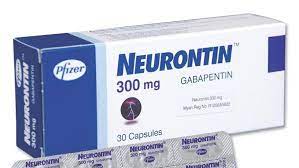
Neurontin, also known by its generic name gabapentin, is a medication commonly prescribed to treat seizures, neuropathic pain, and restless legs syndrome. It belongs to a class of drugs known as anticonvulsants, which work by affecting chemicals and nerves in the body involved in seizures and certain types of pain. In this article, we will explore the uses, benefits, side effects, and warnings associated with Neurontin.
Uses
1. Seizure Disorders: Neurontin is primarily used to manage partial seizures in adults and children over three years of age. It is often prescribed as an additional medication for individuals who do not respond well to their current seizure medications.
2. Neuropathic Pain: Neurontin has proven to be effective in alleviating neuropathic pain caused by conditions such as diabetic neuropathy, postherpetic neuralgia (shingles), and nerve damage caused by spinal cord injuries or surgery.
3. Restless Legs Syndrome (RLS): Neurontin can provide relief from the unpleasant sensations and urge to move associated with restless legs syndrome. It helps regulate disrupted nerve activity, allowing individuals to experience improved sleep quality.
Benefits
Neurontin offers several benefits for individuals suffering from the aforementioned conditions:
1. Seizure Control: By affecting the chemicals and nerves involved in seizures, Neurontin can help reduce the frequency and severity of seizures, leading to better seizure control and an improved quality of life.
2. Pain Relief: For individuals with neuropathic pain, Neurontin can provide significant relief and improve overall comfort levels. It works by calming nerve signals and reducing the intensity of pain experienced.
3. Improved Sleep: People with restless legs syndrome often struggle with disrupted sleep patterns due to the constant urge to move their legs. Neurontin helps regulate the nerve activity responsible for these sensations, which leads to more peaceful sleep for RLS patients.
Side Effects
While Neurontin is generally well-tolerated, some individuals may experience certain side effects, including:
1. Dizziness and Drowsiness: Neurontin can cause dizziness, lightheadedness, and drowsiness, especially during the initial stages of treatment. It is important to avoid activities that require mental alertness until you know how the medication affects you.
2. Fatigue and Weakness: Some individuals may experience fatigue, weakness, or lack of energy while taking Neurontin. This side effect usually subsides as the body adjusts to the medication.
3. Coordination Problems: Neurontin can affect coordination and balance in some individuals. It is advisable to use caution while performing activities that require fine motor skills, such as driving or operating machinery.
4. Gastrointestinal Issues: Neurontin may cause digestive problems, such as nausea, vomiting, or diarrhea. If these symptoms persist or worsen, it is crucial to consult your healthcare provider.
Warnings
Before initiating Neurontin treatment, make sure to consider the following:
1. Allergic Reactions: Some individuals may be allergic to Neurontin. If you experience symptoms like rash, itching, or swelling of the face, tongue, or throat, seek immediate medical assistance.
2. Suicidal Thoughts: In rare cases, Neurontin may trigger suicidal thoughts or behaviors. It is important to monitor any changes in mood, depression, or unusual behavior while taking the medication and seek help if necessary.
3. Abrupt Discontinuation: Neurontin should not be abruptly discontinued as it may lead to increased seizure activity. If you wish to stop the medication, consult your healthcare provider for a gradual tapering protocol.
4. Pregnancy and Breastfeeding: Neurontin should be used cautiously during pregnancy and breastfeeding. Consult your doctor for a thoughtful risk-benefit analysis and guidance on medication dosage.
FAQ
No, Neurontin is not approved for the treatment of anxiety disorders. It is primarily prescribed for seizures, neuropathic pain, and restless legs syndrome.
It varies from person to person. Some individuals may experience relief within a few days, while others may require several weeks of consistent use before noticing the full benefits.
Yes, Neurontin can be prescribed to children over the age of three for specific conditions, such as seizures. However, the dosage and usage should be determined by a pediatric neurologist.
Yes, Neurontin may interact with certain medications, including opioids, antacids, and certain antidepressants. It is important to inform your doctor about all medications you are taking to avoid potential drug interactions.
No, Neurontin is not believed to be addictive or habit-forming. However, sudden discontinuation of the medication should be avoided to prevent potential withdrawal symptoms or increased seizure activity.






