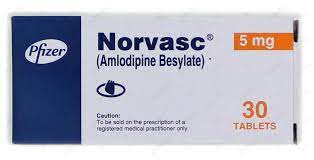
Norvasc is a prescription drug used to treat high blood pressure (hypertension) and angina (chest pain). It belongs to a group of drugs called calcium channel blockers, which relax the blood vessels and improve blood flow.
If you have been prescribed Norvasc, it is important to understand its uses, benefits, side effects, and warnings before taking it. This article will discuss everything you need to know about Norvasc.
Uses
Norvasc is primarily used to lower high blood pressure (hypertension). It is also used to treat angina (chest pain), which occurs when the heart muscle doesn’t get enough blood and oxygen.
In addition, Norvasc may be used to prevent certain types of heart disease, such as heart attacks and strokes. However, it should not be used to treat an acute heart attack.
Norvasc may also be prescribed for other conditions not mentioned here. Always consult your doctor or pharmacist for more information.
Benefits
Norvasc has several benefits for people with hypertension and angina. It helps to lower blood pressure, reducing the risk of heart attack, stroke, and kidney disease in people with hypertension.
In people with angina, Norvasc can help relieve chest pain by improving blood flow to the heart muscle. It can also reduce the frequency and severity of angina attacks.
Moreover, Norvasc has been shown to improve survival rates after a heart attack, especially in people with diabetes.
Side Effects
As with any medication, Norvasc can cause side effects. The most common side effects include:
- Headache
- Flushing (feeling hot and red in the face)
- Dizziness
- Fatigue
- Nausea
- Stomach pain
- Swollen ankles or feet
These side effects usually go away on their own after a few days or weeks. However, if they persist or become severe, you should contact your doctor.
More serious side effects of Norvasc may include:
- Rapid heartbeat
- Chest pain
- Shortness of breath
- Fainting
- Jaundice (yellowing of the skin or eyes)
- Allergic reactions (such as swelling of the face, tongue, or throat)
If you experience any of these side effects, seek medical attention immediately.
Warnings
Before taking Norvasc, it is important to be aware of certain warnings and precautions.
Norvasc can interact with other medications, such as beta-blockers and antifungal drugs. Therefore, you should inform your doctor or pharmacist about all the medications you are currently taking.
Norvasc may also affect your ability to drive or operate machinery, especially if you experience dizziness or fatigue. Therefore, it is recommended to avoid these activities until you know how Norvasc affects you.
If you are pregnant or breastfeeding, you should consult your doctor before taking Norvasc. It is unknown whether Norvasc can harm the fetus or pass into breast milk.
Moreover, Norvasc may increase the risk of low blood pressure (hypotension) in people with severe heart failure or liver disease. Therefore, it should be used with caution in these patients.
FAQs
No, you should not stop taking Norvasc without consulting your doctor first. Even if your blood pressure is normal, stopping Norvasc suddenly can cause your blood pressure to rise again.
Norvasc usually starts working within a few hours, but it may take a few weeks to reach its full effect.
You should avoid drinking alcohol while taking Norvasc, as it may increase the risk of side effects such as dizziness and flushing.
Yes, Norvasc can be taken at any time of the day. However, it is recommended to take it at the same time every day for best results.
Weight gain is not a common side effect of Norvasc, but it may occur in some people. If you experience significant weight gain, consult your doctor.
Conclusion
In conclusion, Norvasc is a useful medication for people with hypertension and angina. However, it should be taken under the guidance of a doctor and with caution in certain patients. If you experience any side effects or have any concerns about taking Norvasc, talk to your doctor.






 treats high blood pressure and angina. Learn uses, benefits, side effects, and safety warnings for heart health.)