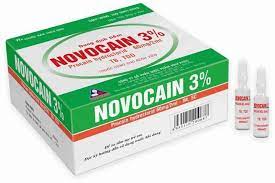
Novocaine, also known as procaine, is a local anesthetic that is primarily used to numb a specific area of the body during surgical or dental procedures. It works by blocking nerve signals in the affected area, providing temporary relief from pain. Novocaine has been widely used for its numbing properties and has proven to be a safe and effective option for medical professionals.
Uses
The primary use of Novocaine is to relieve pain during medical and dental procedures. It is commonly administered by injection into the affected area to numb the region and prevent the transmission of pain signals. Novocaine is often used in various procedures such as tooth extractions, root canals, and minor surgeries. Additionally, it is also used in certain diagnostic procedures, like biopsies, for pain management.
Benefits
Novocaine provides several benefits in medical and dental settings. By effectively numbing the treated area, it enables surgical procedures and dental treatments to be performed with minimal discomfort or pain. Furthermore, Novocaine allows medical professionals to carry out procedures more efficiently and precisely, reducing the overall time required. Patients can then experience a faster recovery and shorter recuperation period due to decreased pain and discomfort.
Side Effects
Like any medication, Novocaine may cause potential side effects in some individuals. Common side effects include temporary numbness, tingling, or a pins-and-needles sensation in the injected area. These effects typically subside shortly after the procedure. However, in rare cases, allergic reactions may occur. Signs of an allergic reaction include hives, difficulty breathing, swelling of the face or throat, or dizziness. If any of these symptoms arise, medical attention should be sought immediately.
Warnings
While Novocaine is generally safe when used appropriately, there are a few precautions and warnings to be aware of:
- Individuals with known allergies to Novocaine or other similar anesthetics should avoid its use.
- Pregnant or breastfeeding women should consult with their healthcare provider before receiving Novocaine.
- Novocaine should be used with caution in individuals with certain medical conditions, such as heart disease or liver problems. A detailed medical history should be provided to the healthcare professional prior to the procedure.
- Novocaine may interact with certain medications, so it is important to inform your healthcare provider about any medications or supplements you are currently taking.
- Patients should follow the dosage and administration instructions provided by their healthcare professional to minimize the risk of complications.
FAQs
No, Novocaine provides temporary relief from pain and discomfort, but it may not completely eliminate all sensations during a procedure. Some pressure or mild discomfort may still be perceived during the treatment.
The duration of Novocaine’s effect varies depending on the dosage and individual factors. Generally, the numbness may persist for one to two hours following the procedure.
When used as directed, Novocaine typically does not cause any long-term side effects. Any temporary side effects, such as numbness or tingling, should subside within a few hours.
Novocaine is considered safe for use in children. However, the dosage and administration should be determined by a healthcare professional according to the child’s age, weight, and medical history.
For individuals with known allergies to Novocaine, alternative local anesthetics can be used. Lidocaine, articaine, and mepivacaine are commonly used substitutes that provide similar numbing effects.






