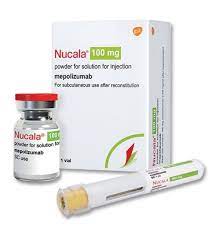
Nucala, also known as mepolizumab, is a medication that is used to treat severe asthma symptoms in adults and children aged six years and above. It belongs to a class of drugs called monoclonal antibodies, which work by reducing inflammation in the lungs and airways. In this article, we will discuss the uses, benefits, side effects, and warnings associated with Nucala.
Uses
Nucala is primarily used to treat severe asthma in patients who have eosinophilic inflammation, which is a type of white blood cell that plays a role in the development of asthma. This medication is administered via subcutaneous injection once every four weeks and works by blocking a protein called IL-5, which is involved in the production of eosinophils.
Benefits
Nucala has been shown to be effective in reducing the frequency of asthma exacerbations and improving lung function in patients with severe eosinophilic asthma. Several clinical trials have demonstrated that Nucala reduces the number of asthma attacks that require oral corticosteroids and hospitalizations.
Additionally, Nucala has been shown to improve patient quality of life by reducing symptoms, improving lung function, and reducing the need for rescue medication.
Side Effects
Like any medication, Nucala can cause some side effects. The most common side effects associated with Nucala are headache and injection site reactions, such as pain, swelling, redness, or itching at the injection site.
Other less common side effects may include back pain, fatigue, fever, and chills. It is important to note that severe allergic reactions are rare but can occur with any medication, including Nucala. Symptoms of a severe allergic reaction may include difficulty breathing, swelling of the face, tongue or throat, hives, and rash.
Warnings
Before taking Nucala, it is important to inform your healthcare provider if you have any allergies, especially to medications or to any of the ingredients in Nucala. It is also important to discuss all medications you are currently taking, including over-the-counter medications and supplements.
Patients should not receive Nucala during an acute asthma exacerbation or status asthmaticus, as this medication is not intended for the treatment of acute asthma symptoms.
In addition, patients should be closely monitored during treatment with Nucala for hypersensitivity reactions, including anaphylaxis. Patients who experience anaphylaxis should receive immediate medical attention.
FAQs
Nucala begins to work almost immediately to reduce inflammation in the lungs and airways. Most patients can expect to see an improvement in their asthma symptoms within four to eight weeks of starting treatment.
Nucala is administered via subcutaneous injection once every four weeks. Healthcare providers typically administer the injection at a medical office or clinic.
If you miss a dose of Nucala, speak to your healthcare provider about rescheduling your next injection. Patients should not attempt to administer the missed dose themselves.
No, Nucala is currently only approved for the treatment of severe eosinophilic asthma in patients aged six years and above.
There is limited data on the use of Nucala in pregnant or breastfeeding women, and it should only be used during pregnancy or breastfeeding if the potential benefits outweigh the potential risks to the fetus or infant. Women who are pregnant or breastfeeding should discuss the risks and benefits of Nucala with their healthcare provider.






