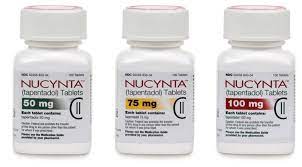
Uses
Nucynta is a prescription medication that is primarily used to treat moderate to severe pain. This medication belongs to the class of drugs known as opioid analgesics. Nucynta works by binding to certain receptors in the brain, blocking the sensation of pain. It is often prescribed for individuals who require around-the-clock pain relief for an extended period of time.
Benefits
Nucynta provides effective relief from pain, making it an invaluable medication for individuals suffering from chronic pain conditions. It helps to improve their overall quality of life by reducing pain levels, allowing them to carry out daily activities without discomfort. Nucynta also has the benefit of being less likely to cause constipation compared to other opioids, which can be a common side effect.
Side Effects
While Nucynta can provide effective pain relief, it may also cause certain side effects. Common side effects include nausea, constipation, dizziness, drowsiness, and headache. These side effects are generally mild and may subside over time as your body adjusts to the medication. It’s important to notify your doctor if these side effects persist or worsen.
In some cases, Nucynta can cause more severe side effects that require immediate medical attention. These include slowed or shallow breathing, fainting, confusion, severe drowsiness, or difficulty waking up. If you experience any of these symptoms, seek medical help right away.
Warnings
It is essential to take certain precautions before starting Nucynta. First and foremost, inform your doctor about any allergies you may have, especially if you have previously had an allergic reaction to any opioids. Additionally, disclose any medical conditions you have such as lung problems, liver disease, kidney disease, or a history of substance abuse.
Since Nucynta can cause drowsiness and dizziness, it is important to avoid activities that require alertness such as driving or operating heavy machinery until you know how the medication affects you. Alcohol and other drugs that cause drowsiness should also be avoided as they can increase the risk of side effects.
Do not abruptly stop taking Nucynta without consulting your doctor, as this can lead to withdrawal symptoms such as restlessness, muscle aches, anxiety, and insomnia. Your doctor will provide you with a gradual dosage reduction plan to safely discontinue the medication if needed.
FAQs
Nucynta is primarily prescribed for moderate to severe pain. However, it may not be suitable for all types of pain conditions. It is important to consult with your doctor to determine if Nucynta is the right medication for your specific pain needs.
Nucynta usually starts working within 30 to 60 minutes after taking the medication. However, the exact time may vary from person to person. It’s important to follow your doctor’s instructions on dosage and timing for optimal pain relief.
Yes, Nucynta is an opioid analgesic and has the potential for addiction. It is important to take the medication exactly as prescribed by your doctor to minimize the risks of dependence or addiction. If you have a history of substance abuse, inform your doctor before starting Nucynta.
There are no specific dietary restrictions while taking Nucynta. However, it is important to maintain a healthy and balanced diet to support your overall well-being. If you have any concerns, consult your doctor or a registered dietitian.
Nucynta may harm an unborn baby and is generally not recommended during pregnancy unless the potential benefits outweigh the risks. It is also advised to avoid Nucynta while breastfeeding as it may pass into breast milk and cause harm to the nursing infant. Consult your doctor for guidance if you are pregnant or breastfeeding.