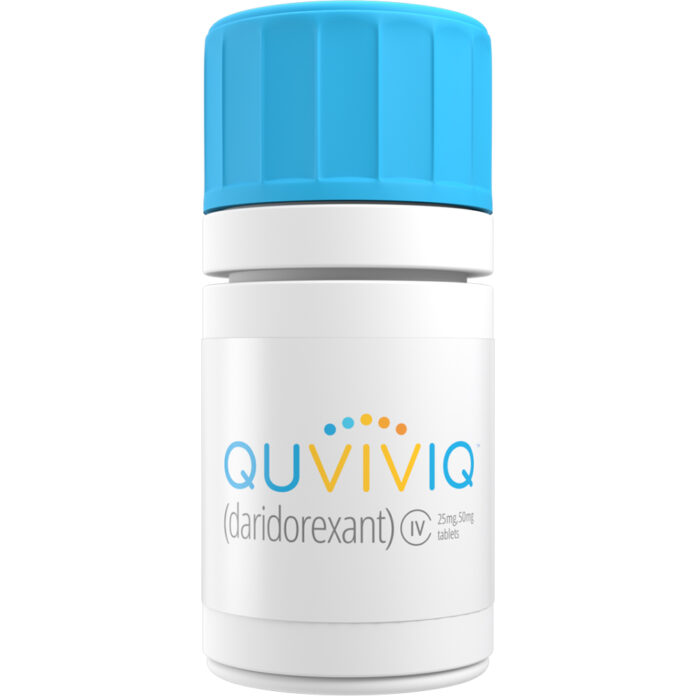
Quviviq is a prescription medication that is widely used in the treatment of various conditions. It contains a combination of active ingredients that work together to alleviate symptoms and promote healing. This article explores the uses, benefits, side effects, and warnings associated with Quviviq.
Uses
Quviviq is primarily prescribed for the treatment of chronic pain. It is often used in cases where other pain medications have been ineffective or have caused severe side effects. Additionally, Quviviq is frequently utilized in the management of neuropathic pain, a type of pain associated with nerve damage. The medication can provide relief by interfering with the transmission of pain signals in the nervous system.
Quviviq has also been found to be effective in treating certain types of seizures, particularly in individuals who have not responded favorably to other anticonvulsant drugs. The medication works by stabilizing electrical activity in the brain and reducing abnormal firing of neurotransmitters.
Benefits
The main benefit of Quviviq is its ability to alleviate chronic pain and improve quality of life for individuals suffering from debilitating conditions. By targeting pain signals in the nervous system, Quviviq can provide long-lasting relief and allow patients to regain functionality and engage in daily activities with reduced discomfort.
Furthermore, Quviviq offers benefits in the management of seizures. For individuals with treatment-resistant epilepsy, this medication can provide a viable alternative and potentially reduce the frequency and severity of seizures, thereby improving overall well-being.
Side Effects
Like any medication, Quviviq can cause certain side effects. While not everyone experiences them, common side effects may include dizziness, drowsiness, constipation, and nausea. These side effects are generally mild and tend to diminish over time as the body adjusts to the medication.
However, some individuals may experience more severe side effects, such as allergic reactions, difficulty breathing, or swelling of the face, lips, tongue, or throat. If any of these occur, it is important to seek immediate medical attention as they may indicate a serious allergic reaction.
Warnings
Quviviq should only be taken as prescribed by a healthcare professional. It is essential to follow the recommended dosage and duration of treatment to minimize the risk of adverse effects.
Prior to starting Quviviq, it is important to inform your doctor if you have a history of allergies, kidney or liver problems, or if you are taking other medications that may interact with Quviviq. This medication may also cause drowsiness or dizziness, so it is advisable to avoid driving or operating heavy machinery until you know how you react to the medication.
Additionally, Quviviq should not be abruptly discontinued without consulting your healthcare provider, as it may cause withdrawal symptoms or seizures. Always consult with your doctor before making any changes to your medication regimen.
FAQs
No, Quviviq is not intended for the treatment of acute pain. It is primarily prescribed for chronic pain management. Your healthcare provider will determine the most appropriate medication for your specific condition.
While Quviviq can cause physical dependence, it is not considered highly addictive when taken as prescribed. However, sudden discontinuation of the medication may lead to withdrawal symptoms. Always consult with your healthcare provider before stopping Quviviq.
It is crucial to discuss the potential risks and benefits of using Quviviq during pregnancy with your doctor. The medication may pose risks to the developing fetus, and alternative treatments should be explored whenever possible.
Yes, Quviviq may interact with certain medications, including other pain medications, sedatives, and antidepressants. Inform your doctor about all the medications you are currently taking to prevent any potential interactions.
Alcohol consumption should be avoided while taking Quviviq, as it may increase the risk of side effects such as dizziness and drowsiness. It is essential to follow your doctor’s recommendations regarding the use of alcohol while on this medication.