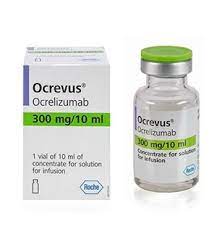
Ocrevus Intravenous is a medication used to treat certain types of multiple sclerosis (MS). It is an intravenous infusion that works by targeting specific cells in the immune system, reducing inflammation and slowing down the progression of the disease. This article will explore the uses, benefits, side effects, and warnings associated with Ocrevus Intravenous.
Uses
Ocrevus Intravenous is primarily used to treat relapsing forms of MS, including relapsing-remitting MS and secondary progressive MS. It is also approved for the treatment of primary progressive MS, which is a less common form of the disease. This medication is used to slow down the progression of MS, reduce the frequency of relapses, and delay disability progression.
Benefits
The benefits of Ocrevus Intravenous are significant for individuals with MS. Clinical trials have shown that this medication can reduce the annualized relapse rate by up to 50% compared to other MS treatments. It has also been found to slow down disability progression, improve overall quality of life, and reduce the number of new brain lesions. Ocrevus Intravenous offers a new treatment option for individuals with relapsing forms of MS who may not have responded well to other medications.
Side Effects
As with any medication, Ocrevus Intravenous may cause side effects. The most common side effects reported include infusion-related reactions, such as itching, rash, fever, fatigue, and headache. These reactions typically occur during or within 24 hours of the infusion and can be managed with premedication. Other side effects may include upper respiratory tract infections, urinary tract infections, and muscle pain. It is important to discuss any concerns or potential side effects with your healthcare provider.
Warnings
There are certain precautions and warnings associated with Ocrevus Intravenous. This medication can increase the risk of infections, including respiratory and urinary tract infections. It is important to notify your healthcare provider if you experience any signs of infection, such as fever, cough, or difficulty urinating. Ocrevus Intravenous may also increase the risk of certain types of cancer, particularly breast cancer. Regular breast cancer screenings are recommended for individuals taking this medication.
It is crucial to inform your healthcare provider about your medical history, including any previous or current infections, as well as any allergies or medications you are currently taking. Ocrevus Intravenous may interact with certain medications, so it is important to discuss all your medications, including over-the-counter drugs and supplements, with your healthcare provider.
FAQs
Ocrevus Intravenous is typically administered every six months. The first dose is divided into two infusions, given two weeks apart, while subsequent doses are given as a single infusion.
Each infusion session of Ocrevus Intravenous can take several hours. The duration may vary depending on individual factors and the healthcare provider’s protocol.
No, Ocrevus Intravenous cannot cure multiple sclerosis. It is used to slow down the progression of the disease, reduce relapse rates, and delay disability progression.
It is generally recommended to complete any necessary vaccinations before starting treatment with Ocrevus Intravenous. Live vaccines should be avoided while on this medication due to the potential risk of infection.
It is important to discuss any concerns or side effects with your healthcare provider. They will be able to evaluate the risks and benefits and determine the best course of action. Abruptly stopping the medication without medical advice is not recommended.