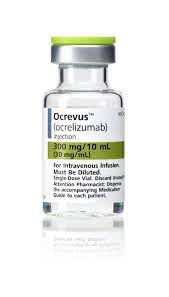
Ocrevus (generic name: ocrelizumab) is a medication that is primarily used for the treatment of multiple sclerosis (MS) and is classified as a monoclonal antibody. It is administered via intravenous infusion and is considered a disease-modifying therapy.
Uses
Ocrevus is primarily prescribed for the treatment of relapsing forms of multiple sclerosis (RMS) and primary progressive multiple sclerosis (PPMS). It works by targeting specific immune cells in the body, namely CD20-positive B lymphocytes, which are believed to play a role in the progression and development of MS.
For individuals with relapsing forms of MS, Ocrevus helps to reduce the frequency of relapses and delay the accumulation of physical disability. It has also been shown to slow down the rate of disease progression in primary progressive MS, leading to improved physical function.
Benefits
The benefits of using Ocrevus for treating multiple sclerosis are numerous. Firstly, it has been demonstrated in clinical trials to significantly decrease the annual relapse rate in patients with relapsing forms of MS. Secondly, it has shown efficacy in reducing the risk of disability progression and slowing down the degenerative process commonly associated with this condition.
Furthermore, Ocrevus has a favorable safety profile and is generally well-tolerated by patients. It is also convenient for patients as it is administered via intravenous infusion every 6 months, eliminating the need for frequent administration or daily medication intake.
Side Effects
Like any medication, Ocrevus does come with potential side effects, although not everyone experiences them. Some common side effects reported by patients include infusion-related reactions such as rash, itching, fever, and headaches. These reactions can typically be managed with pre-medication, slowing the infusion rate, or by using other supportive treatments. Our related guide, Ocrevus Intravenous Uses – Side Effects – Warnings, goes further into this.
In addition, Ocrevus may increase the risk of upper respiratory tract infections, urinary tract infections, and herpes infections. Regular monitoring and open communication with a healthcare provider can help identify and manage these potential side effects.
Warnings
It is important to note that Ocrevus may have contraindications for use in certain individuals. For instance, it should not be used in individuals with active hepatitis B virus infections, as it can cause reactivation of the infection. Additionally, caution should be exercised in patients with a history of serious infusion-related reactions or with underlying malignancies.
Before initiating Ocrevus treatment, it is crucial to inform the treating physician about any ongoing medications, medical conditions, or potential allergies to prevent any adverse interactions or reactions. Close monitoring is also recommended when starting this therapy to ensure safety and efficacy.
Frequently Asked Questions
Ocrevus is indicated for relapsing forms of multiple sclerosis (RMS) and primary progressive multiple sclerosis (PPMS). It may not be suitable for other types of MS.
There are other disease-modifying therapies available for the treatment of multiple sclerosis. Your healthcare provider can discuss these options and determine the most suitable one for you.
Ocrevus is administered via intravenous infusion every 6 months, making it a convenient treatment option for patients.
Ocrevus is not recommended during pregnancy or breastfeeding, as the effects on the fetus or infant are not yet known. It is important to discuss family planning and potential risks with your healthcare provider.
Ocrevus is not a cure for multiple sclerosis but is considered a disease-modifying therapy that helps reduce the frequency of relapses and slow down disease progression.
conclusion
In conclusion, Ocrevus is a medication used for the treatment of multiple sclerosis and has shown significant benefits in reducing relapse rates, delaying disability progression, and improving physical function. While it may have potential side effects, its favorable safety profile and convenient administration make it a viable option for eligible individuals. As with any medication, it is important to consult with a healthcare provider to discuss its suitability and potential risks.






