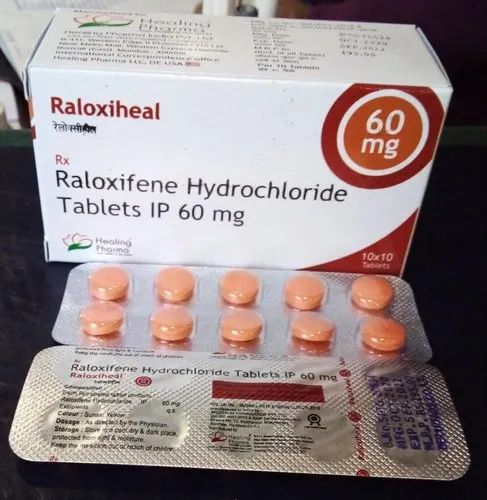
Raloxifene is a prescription medication that belongs to a class of drugs called selective estrogen receptor modulators (SERMs). It is primarily used to prevent and treat osteoporosis in postmenopausal women, reducing their risk of fractures. Raloxifene works by mimicking the effects of estrogen in some parts of the body and blocking the effects of estrogen in others.
Uses
Raloxifene for Osteoporosis: Osteoporosis is a condition characterized by weak, brittle bones that are more susceptible to fractures. Raloxifene is prescribed to postmenopausal women because they are at a higher risk of osteoporosis due to reduced levels of estrogen. By increasing bone density and reducing bone loss, Raloxifene helps to prevent fractures in these women.
Raloxifene for Breast Cancer: Raloxifene is also used to reduce the risk of invasive breast cancer in postmenopausal women with osteoporosis or at high risk of developing breast cancer. Studies have shown that Raloxifene can lower the risk of estrogen-receptor-positive breast cancer. However, it is important to note that Raloxifene does not treat existing breast cancer or reduce the risk of estrogen-receptor-negative breast cancer.
Benefits
Prevention of Fractures: One of the key benefits of Raloxifene is its ability to decrease the risk of fractures in postmenopausal women with osteoporosis. By strengthening bones and increasing bone density, Raloxifene helps to prevent common fractures such as those in the spine and hips. This can significantly improve the quality of life for women at risk of osteoporosis-related fractures.
Reduction in Breast Cancer Risk: Raloxifene has been shown to reduce the risk of invasive breast cancer in postmenopausal women. This is particularly beneficial for women with osteoporosis or those who are at high risk due to family history or other factors. Regular use of Raloxifene can help lower the chances of developing estrogen-receptor-positive breast cancer, offering peace of mind and potentially saving lives.
Side Effects
Hot Flashes: One of the most common side effects of Raloxifene is hot flashes. These sudden, intense feelings of heat, often accompanied by sweating and a flushed face, can be uncomfortable. However, they are generally temporary and tend to lessen in severity over time.
Leg Cramps: Some individuals may experience leg cramps as a side effect of Raloxifene. These muscle contractions, typically in the calves, can cause mild to moderate discomfort. Staying hydrated, gently stretching, and applying heat or cold to the affected area can help alleviate leg cramps.
Increased Risk of Blood Clots: Raloxifene may increase the risk of blood clots, including deep vein thrombosis and pulmonary embolism. It is crucial to inform your healthcare provider if you have a history of blood clots or are at an elevated risk. If you experience symptoms such as swelling, pain, or redness in the legs or shortness of breath, seek medical attention immediately.
Warnings
Pregnancy and Breastfeeding: Raloxifene should never be used during pregnancy or while breastfeeding. It can cause harm to the developing fetus or pass into breast milk, potentially causing harm to the nursing baby.
History of Blood Clots: Individuals with a history of blood clots or clotting disorders should exercise caution when taking Raloxifene. Inform your healthcare provider about your medical history to assess the benefits versus risks of using this medication.
Liver Disease: Raloxifene is metabolized in the liver, so individuals with liver disease may require dose adjustments or monitoring. Inform your healthcare provider about any existing liver conditions before starting Raloxifene treatment.
Interactions: Raloxifene may interact with certain medications, including blood thinners and estrogens. Be sure to inform your healthcare provider about all medications you are currently taking to avoid potentially harmful interactions.
In conclusion, Raloxifene is a medication used in postmenopausal women to prevent and treat osteoporosis and reduce the risk of invasive breast cancer. While it offers several benefits, including fracture prevention and decreased breast cancer risk, it does come with some side effects and warnings. It is essential to discuss the risks and benefits with your healthcare provider before starting Raloxifene treatment.
FAQs
No, Raloxifene is not indicated for use in men. It is specifically approved for postmenopausal women with osteoporosis or at high risk of developing invasive breast cancer.
The duration of Raloxifene treatment may vary depending on individual factors and the condition being treated. It’s important to follow your healthcare provider’s recommendations and discuss when to stop or continue Raloxifene use.
If you miss a dose, take it as soon as you remember. However, if it is close to the time for your next dose, skip the missed dose and continue with your regular dosing schedule. Never take a double dose to make up for a missed one.
Weight gain is not a common side effect of Raloxifene. However, individual responses to medication can vary, and some people may experience slight changes in weight. If you have concerns about weight changes, discuss them with your healthcare provider.
Raloxifene can reduce the risk of fractures, particularly in the spine and hips. However, it cannot prevent all types of fractures. It is important to practice good bone health habits, such as regular exercise and adequate calcium and vitamin D intake, in combination with Raloxifene use.






