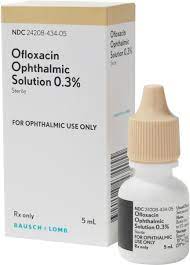
Ofloxacin is a prescription medication that belongs to the fluoroquinolone antibiotic class. It is widely used for treating various bacterial infections. Ofloxacin works by inhibiting the growth and replication of bacteria, thereby helping the body’s immune system to fight off the infection. This article will delve into the uses, benefits, side effects, and warnings associated with Ofloxacin.
Uses of Ofloxacin
Ofloxacin is commonly prescribed to treat a variety of bacterial infections, including:
- Respiratory tract infections such as pneumonia, bronchitis, and sinusitis.
- Urinary tract infections, including cystitis and pyelonephritis.
- Sexually transmitted infections like gonorrhea and chlamydia.
- Skin and soft tissue infections, including cellulitis and abscesses.
- Eye and ear infections, such as conjunctivitis and otitis externa.
This antibiotic is highly effective in eliminating bacteria responsible for these infections, providing relief to individuals suffering from these conditions.
Benefits of Ofloxacin
Ofloxacin offers several benefits, making it a popular choice among doctors and patients:
- Fast and effective: Ofloxacin acts quickly, relieving symptoms and combating the underlying bacterial infection rapidly.
- Wide spectrum: This antibiotic is effective against a broad range of bacteria, ensuring its efficacy against various infections.
- Easy administration: Ofloxacin is available in multiple forms, such as tablets, eye drops, and ear drops, making it convenient to administer.
- Well-tolerated: Most individuals taking Ofloxacin do not experience any significant side effects, making it a safe medication option.
However, it is crucial to note that the effectiveness and benefits of Ofloxacin may vary depending on the individual and the specific infection being treated.
Side Effects of Ofloxacin
While Ofloxacin is generally well-tolerated, some individuals may experience certain side effects. Common side effects include:
- Nausea or vomiting
- Diarrhea
- Headache
- Dizziness
- Insomnia
- Photosensitivity (increased sensitivity to sunlight)
If any of these side effects persist or worsen, it is advisable to consult a healthcare professional. In rare cases, Ofloxacin may cause severe side effects, such as tendonitis, tendon rupture, or allergic reactions. Seek immediate medical attention if you experience symptoms such as severe pain or swelling in the joints or difficulty breathing.
Warnings about Ofloxacin
Before using Ofloxacin, it is important to be aware of certain warnings and precautions:
- Allergies: Inform your doctor if you have a history of allergic reactions to Ofloxacin or other fluoroquinolone antibiotics. An allergic reaction may include hives, itching, rash, or swelling.
- Tendinitis and tendon rupture: Ofloxacin may increase the risk of developing tendinitis (inflammation of the tendon) and tendon rupture, particularly in individuals above the age of 60. Avoid excessive physical activity or exercise while taking Ofloxacin, and seek medical attention if you experience tendon pain or swelling.
- Central nervous system effects: Ofloxacin may cause dizziness, confusion, or disorientation. Use caution while driving or operating machinery until you know how the medication affects you.
- Drug interactions: Inform your doctor about all medications, supplements, and herbal products you are currently taking, as certain medications may interact with Ofloxacin, potentially increasing the risk of side effects.
It is important to follow the prescribed dosage and complete the full course of Ofloxacin, even if symptoms improve before the treatment is finished. Failure to do so may result in the incomplete elimination of bacteria, leading to a recurrence of the infection.
Frequently Asked Questions (FAQs)
No, Ofloxacin is an antibiotic effective against bacterial infections and does not work on viral infections such as the common cold or flu.
Ofloxacin should be used during pregnancy only if the potential benefits outweigh the potential risks. It is advisable to consult with a doctor before using this medication while pregnant.
Ofloxacin is generally not recommended for children, particularly those under the age of 18, due to the risk of side effects. Pediatric dosages should be determined by a healthcare professional.
Ofloxacin passes into breast milk and may harm the nursing infant. It is important to discuss the risks and benefits with a healthcare professional before using this medication while breastfeeding.
Yes, Ofloxacin may interact with certain medications, including antacids, iron supplements, and certain anticoagulants. It is crucial to inform your doctor about all current medications you are taking to prevent potential interactions.
Remember, always consult a healthcare professional before starting, stopping, or changing any medication.






