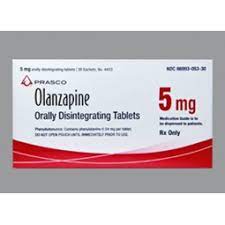
Olanzapine is a medication that is used to treat mental and emotional disorders such as schizophrenia and bipolar disorder. It belongs to a group of medications called atypical antipsychotics, which work by balancing certain chemicals in the brain. In this article, we will take a closer look at the uses, benefits, side effects and warnings associated with Olanzapine OTD.
Uses of Olanzapine
Olanzapine is primarily used to treat the following conditions:
- Schizophrenia:
a severe mental disorder that affects how a person thinks, feels and behaves. Olanzapine can help relieve symptoms of delusions, hallucinations, and disorganized thinking.
- Bipolar disorder:
a mental disorder characterized by extreme mood swings, including episodes of depression and mania. Olanzapine can help stabilize mood, reduce episodes of mania and depression, and prevent recurrence of the symptoms.
Benefits of Olanzapine
Olanzapine can provide several benefits to people with mental health conditions. Here are some of the key benefits:
- Relieves symptoms:
Olanzapine can help reduce or eliminate symptoms of mental disorders such as delusions, hallucinations, and disorganized thinking, leading to an improved quality of life.
- Prevents relapse:
Olanzapine can help prevent recurrence of mental health symptoms, reducing the risk of relapse and improving long-term mental health outcomes.
- Stabilizes mood:
Olanzapine can help stabilize mood swings associated with bipolar disorder, leading to better emotional regulation and fewer episodes of depression and mania.
Side Effects of Olanzapine
Like all medications, Olanzapine comes with some potential side effects. These side effects are generally mild to moderate and go away over time, but some people may experience more severe side effects. Here are some common side effects of Olanzapine:
- Weight gain:
Olanzapine can cause weight gain, particularly in the first few months of treatment. This weight gain can increase the risk of obesity and associated health problems.
- Increased appetite:
Olanzapine can increase appetite, leading to overeating and more weight gain.
- Sleepiness:
Olanzapine can cause drowsiness, especially at higher doses. This can interfere with the person’s daily activities and work performance.
- Dizziness:
Olanzapine can cause dizziness, which can increase the risk of falls, particularly in older adults.
Warnings About Olanzapine
Before taking Olanzapine, it is essential to be aware of some important warnings. Here are some of the key warnings associated with Olanzapine use:
- Risk of diabetes:
Olanzapine can increase the risk of developing high blood sugar levels and diabetes, particularly in people with a family history of diabetes or who are overweight. It is essential to monitor blood sugar levels while taking Olanzapine.
- Cardiovascular risk:
Olanzapine can increase the risk of heart disease and stroke, particularly in people with a history of cardiovascular disease or who smoke. It is essential to monitor blood pressure and cholesterol levels while taking Olanzapine.
- Increased risk of infections:
Olanzapine can lower the immune system, making it easier to get infections. It is essential to avoid people who are sick while taking Olanzapine.
- Pregnancy and breastfeeding:
Olanzapine can pass through breast milk and cause harm to the baby. It is also not recommended for use during pregnancy unless absolutely necessary.
FAQs
- How long does it take for Olanzapine to start working?
Answer: Olanzapine can take a few weeks to start working. It is essential to be patient and continue taking the medication as prescribed.
- Can Olanzapine be stopped suddenly?
Answer: No, Olanzapine should never be stopped suddenly. It is important to taper off the medication gradually under a healthcare professional’s supervision.
- Can Olanzapine cause suicidal thoughts?
Answer: Yes, Olanzapine can increase the risk of suicidal thoughts and behavior, particularly in children, adolescents, and young adults. It is essential to monitor your mental health while taking Olanzapine.
- Can Olanzapine be taken with other medications?
Answer: Olanzapine may interact with other medications, so it is essential to inform your healthcare provider of all medications you are taking.
- How long do Olanzapine side effects last?
Answer: Olanzapine side effects can last for several days to a few weeks. If side effects persist or become severe, it is essential to talk to your healthcare provider.
conclusion
In conclusion, Olanzapine OTD can provide significant benefits for people with mental health conditions, but it is essential to be aware of the potential side effects and warnings associated with its use. If you have any concerns or questions about Olanzapine, it is essential to talk to your healthcare provider.






