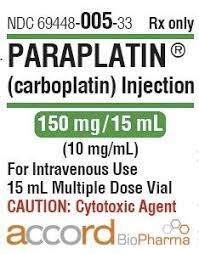
Paraplatin is the brand name for the generic drug carboplatin, which is an antineoplastic medication used to treat various types of cancer. It is administered intravenously and is commonly used in combination with other cancer medications. Paraplatin is classified as a platinum-based chemotherapy drug and works by disrupting the replication process of cancer cells. However, it is important to note that Paraplatin may also cause adverse effects. This article covers the uses, benefits, side effects, and warnings related to Paraplatin.
Uses
Paraplatin is used to treat various types of cancer, including ovarian, lung, bladder, and breast cancers. It is often used in combination with other chemotherapy drugs to maximize its effectiveness. The drug works by binding to the DNA in cancer cells, making it difficult for them to replicate and divide. This slows down the growth and spread of cancer cells, which can help in the treatment of cancer.
Benefits
The main benefit of Paraplatin is its ability to help in the treatment of cancer. In combination with other chemotherapy drugs, Paraplatin can increase the effectiveness of cancer treatment. It is often used in patients with advanced-stage cancer to reduce the size of tumors and prevent spread to other parts of the body. Additionally, Paraplatin is easy to administer and can be given on an outpatient basis.
Side Effects
While Paraplatin can be effective in treating cancer, it can also cause a range of side effects. Some common side effects of Paraplatin include:
- Nausea and vomiting
- Hair loss
- Mouth sores
- Fatigue
- Dizziness
- Low blood cell counts
- Increased risk of infection
These side effects can vary in severity and may require medical intervention. Patients who experience severe side effects should contact their healthcare provider immediately.
Warnings
Patients should inform their healthcare provider of any pre-existing medical conditions before starting treatment with Paraplatin. Paraplatin may not be suitable for patients with kidney disease, hearing problems, or a history of seizures. Patients who are allergic to platinum-based chemotherapy drugs should not use Paraplatin.
Additionally, Paraplatin may interact with other medications, so patients should inform their healthcare provider of all medications they are currently taking. Pregnant women should not use Paraplatin as it may harm the developing fetus.
FAQs
- How long does Paraplatin treatment last?
The length of treatment with Paraplatin depends on various factors, including the type of cancer being treated, the stage of cancer, and the patient’s overall health. Treatment can last for several months to a year or more.
- Can Paraplatin be given on an outpatient basis?
Yes, Paraplatin can be administered on an outpatient basis, which allows patients to receive treatment without having to stay in the hospital.
- What should I do if I experience severe side effects of Paraplatin?
Patients who experience severe side effects of Paraplatin should contact their healthcare provider immediately.
- Does Paraplatin cause hair loss?
Yes, Paraplatin may cause hair loss as a side effect. However, hair loss is usually temporary and will grow back after treatment is complete.
- Can Paraplatin be used in the treatment of all types of cancer?
No, Paraplatin is not effective in the treatment of all types of cancer. It is most commonly used in the treatment of ovarian, lung, bladder, and breast cancers. The effectiveness of Paraplatin depends on the type and stage of cancer it is being used to treat.
conclusion
In conclusion, Paraplatin is a useful chemotherapy drug that can help in the treatment of cancer. However, it may cause a range of side effects, and patients should inform their healthcare provider of any pre-existing medical conditions before starting treatment. It is essential to follow the advice of healthcare providers and undergo regular monitoring during treatment with Paraplatin to ensure its effectiveness and safety.