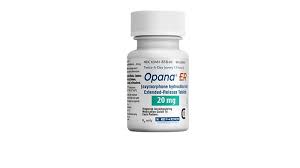
Opana is a prescription medication that contains the active ingredient oxymorphone. It belongs to a class of drugs known as opioid analgesics, which are used to relieve moderate to severe pain. Opana works by binding to opioid receptors in the brain and spinal cord, thereby reducing the sensation of pain. However, it is important to note that Opana should only be used under the supervision of a healthcare professional, as it can be habit-forming and may lead to dependence or addiction.
Uses
Opana is primarily used to manage pain that is severe enough to require around-the-clock, long-term treatment. It is often prescribed when other pain medications have proven to be ineffective or intolerable. Opana is commonly used for the following conditions:
1. Postoperative pain: Opana may be prescribed after surgical procedures to help manage pain during the recovery period.
2. Cancer pain: Opana is often used to relieve pain associated with cancer, particularly when other pain medications are insufficient.
3. Chronic pain: Opana may be prescribed for chronic conditions such as arthritis or back pain, where long-term pain management is necessary.
Benefits
Opana provides effective pain relief, allowing individuals to resume their daily activities and improve their quality of life. By reducing pain, Opana can also improve sleep and overall well-being. The extended-release formulation of Opana provides round-the-clock pain relief, reducing the need for frequent dosing and allowing for better pain control.
Side Effects
As with any medication, Opana can cause side effects. Common side effects may include:
1. Nausea and vomiting
2. Constipation
3. Dizziness or lightheadedness
4. Drowsiness
5. Headache
6. Itching or rash
It is important to inform your healthcare provider if you experience any severe or persistent side effects. Additionally, Opana may cause serious side effects such as respiratory depression, which can be life-threatening. Always follow your healthcare provider’s instructions and report any concerning symptoms immediately.
Warnings
Opana carries certain warnings that need to be considered before starting the medication:
1. Addiction risk: Opana can be habit-forming and may lead to dependence or addiction. It should only be used by the individual it is prescribed for and should not be shared with others.
2. Respiratory depression: Opana can cause slow or shallow breathing, which can be dangerous, especially in individuals with respiratory conditions. It is vital to follow the prescribed dosage and inform your healthcare provider of any breathing difficulties.
3. Drug interactions: Opana can interact with other medications, particularly sedatives, tranquilizers, or other opioids. Inform your healthcare provider about all the medications you are taking to prevent potential interactions.
4. Pregnancy and breastfeeding: Opana should be used with caution during pregnancy and breastfeeding. It is important to discuss the risks and benefits with your healthcare provider before using this medication.
5. Withdrawal symptoms: Abruptly stopping Opana can lead to withdrawal symptoms, including restlessness, muscle aches, and anxiety. It is crucial to gradually reduce the dosage under the guidance of your healthcare provider.
FAQs
Can I drive or operate machinery while taking Opana?
Opana may cause drowsiness or dizziness, so it is important to exercise caution. Avoid driving or operating machinery until you know how this medication affects you.
Can Opana be used for mild pain?
Opana is usually reserved for moderate to severe pain. Other options, such as over-the-counter pain relievers, may be more appropriate for mild pain.
Is Opana safe for older adults?
Opana may be used in older adults; however, caution is advised due to the increased risk of side effects, especially respiratory depression.
Can Opana be used for long-term pain management?
Opana may be prescribed for long-term pain management; however, regular monitoring and evaluation by a healthcare professional are essential to ensure its continued effectiveness and safety.
What should I do if I miss a dose of Opana?
If you miss a dose, take it as soon as you remember. However, if it is close to the time for your next dose, skip the missed dose and continue with your regular dosing schedule. Do not double the dose to catch up.
In conclusion, Opana is a prescription medication used to relieve moderate to severe pain. It provides effective pain relief and can be beneficial for various conditions. However, it is important to be aware of the potential side effects and warnings associated with Opana. Always follow your healthcare provider’s instructions and consult them if you have any concerns or questions about this medication.