Uses:
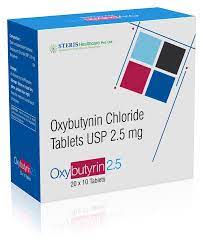
Oxybutynin is a medication that is primarily used to treat overactive bladder, a condition characterized by uncontrollable and frequent urination. This medication belongs to a class of drugs called anticholinergics, which work by relaxing the muscles in the bladder, reducing the urge to urinate.
Benefits:
Oxybutynin can help relieve the symptoms associated with overactive bladder, such as frequent urination, urgency, and incontinence. By relaxing the muscles in the bladder, it helps increase the bladder’s capacity to hold urine, reducing the need for frequent trips to the restroom. Additionally, it can improve the control over involuntary urine leakage, providing individuals with a better quality of life.
Side Effects:
Like any medication, oxybutynin may cause side effects. Common side effects include dry mouth, blurred vision, constipation, dizziness, drowsiness, and dry eyes. These side effects are usually mild and temporary. However, if they persist or worsen, it is important to consult with a healthcare professional. Rare, but more serious side effects may include difficulty urinating, severe abdominal pain, confusion, hallucinations, and allergic reactions. If any of these occur, immediate medical attention is necessary.
Warnings:
Oxybutynin should be used with caution and under the guidance of a healthcare professional. It should not be used by individuals with certain medical conditions, such as uncontrolled narrow-angle glaucoma, urinary retention, gastrointestinal obstruction, or myasthenia gravis. Inform your healthcare provider about any existing medical conditions or allergies before starting oxybutynin. Also, inform them about any other medications (prescription or over-the-counter) or supplements you are currently taking to prevent potential drug interactions.
FAQs
Oxybutynin is primarily approved for the treatment of overactive bladder. However, it may sometimes be used off-label for other conditions like hyperhidrosis (excessive sweating) or as part of a treatment plan for certain neurological disorders.
The onset of oxybutynin’s effects may vary from person to person. Some individuals may experience a reduction in symptoms within a few days, while for others, it may take several weeks of consistent usage to notice significant improvement.
Yes, oxybutynin can potentially interact with other medications. It is important to inform your healthcare provider about all the medications and supplements you are currently taking to avoid any potential drug interactions. They can provide guidance on how to manage these interactions or recommend alternative medications if necessary.
Oxybutynin is generally not recommended for use during pregnancy, as its safety for pregnant women has not been established. If you are pregnant or planning to become pregnant, it is vital to discuss your options with your doctor, who can recommend alternative treatments or evaluate the potential risks and benefits.
While oxybutynin can be used in the elderly population, caution should be exercised due to potential side effects such as drowsiness, confusion, and increased fall risk. Adjustments to the dosage or alternative treatment options may be necessary, and medical guidance is crucial to ensure the medication is used safely and effectively.






