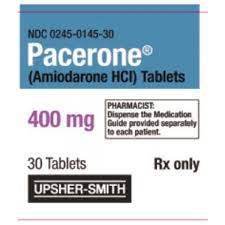
Pacerone, also known as Amiodarone, is a medication used to treat life-threatening arrhythmias (irregular heartbeats). This article will provide you with a detailed overview of this medication including its uses, benefits, side effects, and warnings.
Uses of Pacerone
Pacerone is used to treat various types of arrhythmias, including ventricular tachycardia, ventricular fibrillation, and atrial fibrillation. It works by affecting the electrical activity of the heart. Pacerone is usually prescribed when other medications have not worked, or when other medications have caused harmful side effects.
Benefits of Pacerone
Pacerone can be beneficial for people who suffer from life-threatening arrhythmias. It is considered a last resort medication when other treatments have failed due to its effectiveness in controlling arrhythmias. Pacerone can also be used to improve quality of life for people with serious heart conditions by reducing symptoms such as shortness of breath, dizziness, and fatigue.
Side Effects of Pacerone
Like with any medication, Pacerone can cause side effects. Some common side effects include:
- Nausea
- Constipation
- Loss of appetite
- Fatigue
- Visual disturbances such as halos, double vision, and light sensitivity
- Skin sensitivity to sunlight
- Low blood pressure
- Slow heart rate
- Abnormal liver function tests
In rare cases, Pacerone can cause more serious side effects, such as lung damage, liver damage, thyroid problems, and skin reactions. These side effects can be potentially life-threatening, and it’s important to seek immediate medical attention if you experience any of the following symptoms:
- Unexplained fever or chills
- Shortness of breath
- Chest pain
- Yellowing of the skin or eyes
- Swelling in the legs or ankles
- Rash or hives
Warnings
Pacerone should be used with caution in people with kidney or liver disease, as it can cause further damage to these organs. It should also not be used in people with certain heart conditions, such as bradycardia (slow heart rate) or heart block (a condition where electrical signals can’t pass through the heart).
It is important to inform your healthcare provider if you are pregnant or breastfeeding before taking Pacerone. Additionally, Pacerone can interact with other medications, including blood thinners, antidepressants, and certain antibiotics. Always inform your healthcare provider of all medications you are currently taking before starting a new medication.
Conclusion
In conclusion, Pacerone is a medication used to treat severe arrhythmias. While it can be highly effective, it is important to be aware of its potential side effects and to take it as prescribed by your healthcare provider. Always inform your healthcare provider of all medications you are taking to avoid interactions. If you experience any potential side effects, seek medical attention immediately.
FAQs About Pacerone
It may take several days or weeks for Pacerone to start working effectively.
Pacerone is typically used to treat existing arrhythmias. It is not a medication used for prevention.
If you miss a dose of Pacerone, take it as soon as you remember. If it’s close to the time of your next dose, skip the missed dose and continue with your regular dosing schedule.
Pacerone has been associated with potential long-term side effects, such as lung damage and thyroid problems, but this is rare.
It is important to avoid alcohol while taking Pacerone as it can increase the risk of liver damage.






