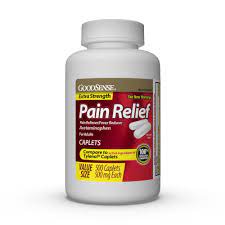
Acetaminophen, also known as paracetamol, is a widely used over-the-counter pain reliever and fever reducer. It is commonly found in various medications and is known for its effectiveness in managing mild to moderate pain. This article will explore the uses, benefits, side effects, and warnings associated with acetaminophen.
Uses
Acetaminophen is primarily used to alleviate pain and reduce fever. It is commonly recommended for the relief of headaches, muscle aches, toothaches, menstrual cramps, and pain caused by colds or flu. It can also be used to manage pain associated with arthritis, backaches, and other chronic conditions.
Benefits
Acetaminophen offers several benefits as a pain reliever. It is easily accessible, available without a prescription, and can be purchased in various forms such as tablets, caplets, liquid, and suppositories. It is generally safe for most individuals when used as directed, making it a popular choice for temporary pain relief.
Furthermore, acetaminophen has fewer side effects compared to some other pain relievers, such as nonsteroidal anti-inflammatory drugs (NSAIDs). This makes it a suitable option for individuals who cannot tolerate NSAIDs due to stomach irritation or other related concerns.
Side Effects
While acetaminophen is generally considered safe, it is not without potential side effects. Exceeding the recommended dosage or using it for an extended period can lead to liver damage. It is essential to follow the prescribed or recommended dosage guidelines to minimize the risk of adverse effects.
Additionally, some individuals may experience allergic reactions, such as skin rash or hives, after taking acetaminophen. If you experience any unusual symptoms after consuming this medication, it is important to seek medical attention promptly.
Warnings
It is crucial to pay attention to certain warnings associated with acetaminophen usage. Individuals with liver disease or a history of alcohol abuse should consult a healthcare professional before taking acetaminophen due to an increased risk of liver damage.
Moreover, it is important to avoid consuming alcohol while taking acetaminophen, as it can further strain the liver and increase the likelihood of liver damage. Pregnant or breastfeeding women should also consult their healthcare providers before using this medication to ensure its safety for their specific situation.
It is important to note that acetaminophen may interact with other medications, such as blood thinners or certain antibiotics. To avoid potential drug interactions, it is advisable to inform your healthcare provider about all the medications you are currently taking before using acetaminophen.
FAQs
Acetaminophen can be taken with some other pain relievers, but it is important to consult a healthcare professional or read the labels of the medications you intend to use for any potential interactions.
Acetaminophen typically starts working within 30 minutes to an hour after consumption. However, the exact onset of relief may vary depending on the individual and the specific condition being treated.
If you have a liver condition, it is crucial to consult a healthcare professional before taking acetaminophen. They can provide guidance on the appropriate dosage and monitor your liver function to ensure safety.
Yes, acetaminophen is commonly used to reduce fever in children. However, it is important to consult a healthcare professional for appropriate dosage recommendations based on the child’s age and weight.
Pregnant women should consult their healthcare providers before using acetaminophen to ensure its safety during pregnancy. The healthcare provider can recommend the appropriate dosage and provide personalized advice.