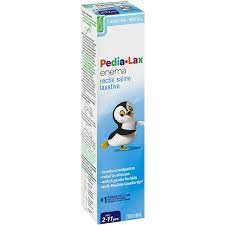
Pediatric Enema Rectal is a medical procedure that involves the introduction of a liquid solution into a child’s rectum through the use of a specially designed tube. This procedure is commonly used to treat a variety of conditions in children, including constipation, fecal impaction, and certain diagnostic procedures. In this article, we will explore the uses, benefits, side effects, and warnings associated with Pediatric Enema Rectal.
Uses
Pediatric Enema Rectal is primarily used to relieve constipation in children. It works by softening the stool and promoting bowel movements, making it easier for the child to pass stool. This procedure can also be used to clear the colon before certain diagnostic tests or surgeries, ensuring a clear view of the intestines.
Benefits
The use of Pediatric Enema Rectal offers several benefits for children suffering from constipation or undergoing diagnostic procedures. Some of the key benefits include:
- Effective relief: Pediatric Enema Rectal provides quick relief from constipation and helps improve bowel movements, thereby reducing discomfort in children.
- Non-invasive: Compared to other procedures, such as oral medications or surgical interventions, Pediatric Enema Rectal is a non-invasive and relatively painless procedure for children.
- Quick results: The effects of Pediatric Enema Rectal can usually be observed within 15 to 30 minutes after administration, ensuring rapid relief for the child.
Side Effects
While Pediatric Enema Rectal is generally safe, there are some potential side effects that parents should be aware of. These can include:
- Rectal irritation: Some children may experience mild rectal irritation or discomfort during or after the procedure. This is usually temporary and subsides quickly.
- Allergic reactions: In rare cases, a child may develop an allergic reaction to the enema solution. Symptoms can include rash, itching, swelling, or difficulty breathing. Immediate medical attention should be sought if any allergic reactions occur.
- Electrolyte imbalance: In certain cases, Pediatric Enema Rectal may lead to an imbalance in electrolyte levels in the child’s body. This can result in symptoms such as muscle weakness, irregular heartbeat, or fatigue. If any of these symptoms occur, a healthcare professional should be consulted.
Warnings
While Pediatric Enema Rectal is generally safe, certain precautions should be taken to ensure the well-being of the child. Some important warnings to consider include:
- Medical supervision: Pediatric Enema Rectal should only be performed under the guidance of a healthcare professional who has experience in this procedure.
- Proper administration: It is crucial to follow the instructions provided by the healthcare professional regarding the dosage, duration, and technique of administering the enema solution.
- Medical history: Parents should inform the healthcare professional about the child’s medical history, including any existing conditions or allergies, to minimize the risk of complications.
FAQs
Yes, Pediatric Enema Rectal can be used for infants. However, it is essential to consult a healthcare professional for guidance on the appropriate dosage and technique for infants.
The effects of Pediatric Enema Rectal usually occur within 15 to 30 minutes after administration. However, the duration may vary depending on the child’s condition.
Pediatric Enema Rectal should only be administered at home if instructed by a healthcare professional. It is crucial to follow their guidance and seek immediate medical attention if any complications arise.
There are generally no specific diet restrictions after Pediatric Enema Rectal. However, it is recommended to maintain a balanced diet and ensure an adequate intake of fluids to support healthy bowel movements.
Pediatric Enema Rectal should not be repeated frequently without medical supervision. It is important to consult a healthcare professional for guidance on the appropriate frequency of administration for the child’s specific condition.