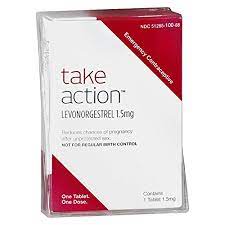
Take Action is a widely used medication that offers numerous benefits in various medical conditions. However, like any other medication, it is important to be aware of its uses, potential side effects, and warnings. This article provides a comprehensive overview of Take Action, highlighting its uses, benefits, side effects, and important warnings.
Uses
Take Action is primarily used as an emergency contraceptive pill to prevent pregnancy after unprotected sexual intercourse or contraceptive failure. It contains levonorgestrel, a hormone that works by preventing the release of an egg from the ovary or by interfering with fertilization. It should be taken as soon as possible, preferably within 72 hours after unprotected sex, and is more effective when taken earlier.
In addition to its use as an emergency contraceptive, Take Action may also be prescribed by healthcare professionals for other conditions such as hormonal imbalance, irregular menstrual cycles, and certain gynecological disorders. However, it is important to consult a healthcare professional before using Take Action for any purposes other than emergency contraception.
Benefits
The primary benefit of Take Action is its effectiveness in preventing unplanned pregnancies when used as an emergency contraceptive. It offers a safe and reliable option for individuals who experience contraceptive failure or engage in unprotected sex. Its ease of use, availability, and ability to prevent pregnancy when taken within the recommended time frame make it a popular choice among women worldwide.
Furthermore, Take Action does not affect future fertility and has no long-term impact on reproductive health when used correctly. It provides a temporary solution to prevent pregnancy and does not interfere with future conception or reproductive abilities. Our related guide, How Long Does It Take To Get the CISSP Certification?, goes further into this.
Side Effects
While Take Action is generally well-tolerated, it may cause some side effects in certain individuals. Common side effects include nausea, vomiting, abdominal pain, fatigue, headache, breast tenderness, and changes in menstrual bleeding patterns. These side effects are usually mild and subside on their own within a few days.
In rare cases, severe side effects may occur, such as severe abdominal pain, persistent vomiting, dizziness, severe headache, chest pain, or shortness of breath. If any of these symptoms are experienced, it is important to seek immediate medical attention.
Warnings
Take Action should not be used as a regular method of contraception, as it is not as effective as other forms of birth control. It is intended solely for emergency use and should not replace the regular use of contraception.
Additionally, Take Action is not suitable for everyone. Individuals with certain medical conditions or those taking certain medications may be advised against using Take Action. It is crucial to consult a healthcare professional before using this medication to ensure its safety and effectiveness in individual cases.
Furthermore, Take Action does not protect against sexually transmitted infections (STIs). If there is a risk of STI transmission, it is important to use barrier methods of contraception, such as condoms, in addition to Take Action.
FAQs
No, Take Action is most effective when taken as soon as possible after unprotected sex, preferably within 72 hours. The effectiveness decreases with time, so it is crucial to take it promptly.
Yes, Take Action can be used while breastfeeding, as it does not affect milk production or the quality of breast milk. However, it is always advisable to consult a healthcare professional before using any medication while breastfeeding.
Yes, Take Action can be used by teenagers. It is a safe and effective emergency contraceptive option for adolescents who engage in unprotected sex or experience contraceptive failure.
No, Take Action does not affect future fertility. It provides a temporary solution to prevent pregnancy and does not interfere with future conception or reproductive abilities.
While Take Action can be used multiple times within a menstrual cycle if necessary, it is important to note that it is not as effective as other regular methods of contraception. It should only be used as an emergency option and not as a regular form of birth control.