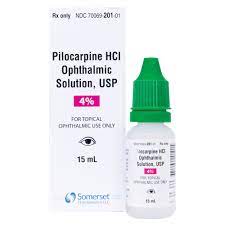
Pilocarpine ophthalmic eye drops are a medication used to treat various eye conditions. This article will delve into the uses, benefits, side effects, and warnings associated with this medicine.
Uses
Pilocarpine ophthalmic eye drops are primarily prescribed for the treatment of glaucoma – a condition that causes increased pressure in the eye, resulting in potential vision loss. The drops work by increasing the drainage of fluid from the eye, which helps to lower the intraocular pressure. Additionally, pilocarpine eye drops are used in the treatment of other eye disorders such as dry mouth and dry eyes.
Benefits
The primary benefit of using pilocarpine ophthalmic eye drops is the reduction of intraocular pressure, which helps to prevent optic nerve damage and potential vision loss associated with glaucoma. By promoting the outflow of fluid from the eye, these drops effectively control the pressure and improve overall eye health. Furthermore, pilocarpine eye drops can provide relief for individuals suffering from dry mouth or dry eyes, as they stimulate the production of saliva and tears.
Side Effects
Like any medication, pilocarpine ophthalmic eye drops may have certain side effects. Common side effects include temporary blurred vision, eye irritation, and redness. Some individuals may experience headaches, dizziness, or increased sweating. These side effects are usually mild and subside as the body adjusts to the medication. However, if any of these side effects persist or worsen, it is important to consult a healthcare professional.
In rare cases, pilocarpine eye drops may cause more severe side effects such as eye pain, changes in vision, or allergic reactions. If any of these symptoms occur, immediate medical attention is necessary. It is crucial to inform your doctor about any pre-existing medical conditions or medications you are taking to prevent any potential interactions.
Warnings
Prior to starting pilocarpine ophthalmic eye drops, it is essential to inform your healthcare provider of any allergies or sensitivities you may have. Additionally, it is important to disclose any medical conditions you have, especially if you have asthma, cardiovascular disease, or any other eye conditions. Pilocarpine eye drops may interact with certain medications, so it is crucial to provide a comprehensive list of all medications you are currently taking.
While using pilocarpine eye drops, it is recommended to avoid driving or operating heavy machinery, especially if experiencing blurred vision or dizziness. These drops may make your eyes more sensitive to light, so wearing sunglasses outdoors can help reduce discomfort. It is crucial to follow the prescribed dosage and frequency of use as instructed by your healthcare provider.
FAQs
The onset of action for pilocarpine eye drops varies, but it typically starts working within 30 minutes to an hour after administration.
Pilocarpine eye drops should only be used under the guidance of a healthcare professional. They may not be suitable for everyone, especially those with certain medical conditions or allergies.
It is important to store pilocarpine eye drops at room temperature, away from moisture and direct sunlight. Always check the packaging for any specific storage instructions.
Pilocarpine eye drops should not be used while wearing contact lenses. It is recommended to remove the lenses before administering the drops and wait at least 15 minutes before reinserting them.
It is important to consult with a healthcare professional before using pilocarpine eye drops during pregnancy or while breastfeeding. They will be able to assess the potential risks and benefits for you and your baby.






