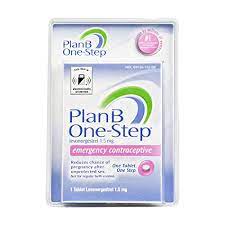
If you are considering Plan B emergency contraceptive but are not sure if it is right for you, it’s important to arm yourself with all the facts. Plan B emergency contraceptive is a safe and effective way to prevent unwanted pregnancy when taken within 72 hours of unprotected sex. In this article, we will explore the uses, benefits, side effects, and warnings of Plan B emergency contraceptive to help you make an informed decision.
Uses
Plan B emergency contraceptive is a type of birth control pill that contains levonorgestrel, a synthetic hormone used to prevent pregnancy. You can take Plan B if:
– You had unprotected sex.
– Your regular birth control method failed (e.g. condom broke, missed pills, etc.).
– You were sexually assaulted.
Plan B works by preventing ovulation, which means that there is no egg for sperm to fertilize. It is most effective when taken within the first 24 hours after unprotected sex, but can be taken up to 72 hours later.
Benefits
The main benefit of Plan B emergency contraceptive is that it can prevent unwanted pregnancy. It is a reliable backup method for those who are not using regular birth control and may not have access to other forms of emergency contraception. Plan B does not protect against sexually transmitted infections (STIs), so you should still use a condom or other barrier method to prevent STIs.
Side Effects
Like all medications, Plan B emergency contraceptive may cause side effects. The most common side effect is nausea, which affects about 23% of women who take it. Other possible side effects include:
– Vomiting
– Dizziness
– Fatigue
– Headache
– Breast tenderness
– Irregular bleeding or spotting
These side effects usually go away within a few days, and are not a cause for concern. If you experience severe or prolonged nausea or vomiting, or if you develop severe abdominal pain or vaginal bleeding, you should speak to your doctor.
Warnings
Plan B emergency contraceptive is generally safe for most women, but there are some precautions you should take. You should not take Plan B if:
– You are allergic to levonorgestrel or any other ingredient in the medication.
– You are already pregnant. Plan B will not terminate an existing pregnancy.
– You have unexplained vaginal bleeding.
– You have a history of blood clots, stroke, or heart attack.
If you have any medical conditions or are taking any medications, you should talk to your doctor before taking Plan B. Plan B may interact with some medications, so it’s important to disclose all your current medications and medical history to your healthcare provider.
FAQs
Plan B is most effective when taken within the first 24 hours after unprotected sex, but can be taken up to 72 hours later.
No. Plan B is intended to be used as a backup method of contraception, not as a regular form of birth control.
No. Plan B does not protect against STIs, so you should still use a condom or other barrier method to prevent STIs.
If you vomit within two hours of taking Plan B, you should speak to your doctor. You may need to take an additional dose, as vomiting can decrease the effectiveness of the medication.
No. Plan B does not affect your future fertility, and you should be able to get pregnant in the future.