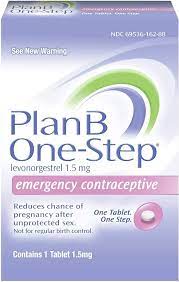
Uses
Plan B One Step is an emergency contraceptive pill used to prevent pregnancy after unprotected sex or contraceptive failure. It is commonly used as a backup method when regular birth control methods such as condoms break or slip, or when a woman forgets to take her birth control pills. It is important to note that Plan B One Step is not intended for regular use as a primary form of contraception.
Benefits
The main benefit of Plan B One Step is its ability to significantly reduce the risk of pregnancy if taken within 72 hours (3 days) after unprotected sex. It contains levonorgestrel, a synthetic hormone that works by preventing ovulation, fertilization, or implantation of the egg in the uterus. This emergency contraceptive provides women with a safe and effective option to prevent unintended pregnancies in emergency situations.
Side Effects
While Plan B One Step is generally safe and well-tolerated, it may cause some side effects. These side effects are usually mild and temporary, including nausea, abdominal pain, fatigue, headache, dizziness, breast tenderness, and changes in menstrual bleeding. These symptoms typically resolve within a few days and do not require medical intervention. If severe abdominal pain or persistent heavy bleeding occurs, it is important to seek medical attention.
Warnings
Plan B One Step is not suitable for everyone, and certain precautions should be taken into consideration. It is not recommended for individuals who are already pregnant or suspect they may be pregnant, as it will not terminate an existing pregnancy. Additionally, individuals who are allergic to levonorgestrel or any of the other ingredients in the medication should avoid using it. Women with known or suspected breast cancer or liver disease should also consult with a healthcare professional before using Plan B One Step.
FAQs
Plan B One Step is estimated to be approximately 89% effective in preventing pregnancy when taken within 72 hours after unprotected sex. However, it is important to understand that its efficacy decreases over time, so it is recommended to take it as soon as possible after the incident.
No, Plan B One Step should not be used as a regular method of contraception. It is intended only for emergency situations and should not replace regular birth control methods. If you are looking for a regular contraceptive method, consult with a healthcare professional to determine the most appropriate option for you.
No, Plan B One Step does not protect against STIs. It is solely designed to prevent pregnancy and does not provide any protection against sexually transmitted infections. It is important to use barrier methods, such as condoms, to reduce the risk of STIs.
Yes, you can take Plan B One Step even if you are already on birth control. It can be used as a backup method if your regular birth control method fails or if you miss taking your birth control pills. However, it is essential to continue using your regular birth control method as directed.
Yes, Plan B One Step is available over-the-counter without a prescription. It is easily accessible at most pharmacies and can be purchased by individuals of any age. However, it is always advisable to consult with a healthcare professional if you have any concerns or questions regarding its use.