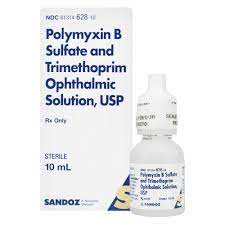
Polymyxin B Sulfate Trimethoprim Ophthalmic Eye is a medication used to treat certain types of eye infections. It is a combination of two antibiotics, polymyxin B sulfate and trimethoprim, which work together to fight against bacteria that cause these infections. This medicine is available in the form of eye drops and ointment, and is usually prescribed by a doctor.
Uses
Polymyxin B Sulfate Trimethoprim Ophthalmic Eye is primarily used to treat bacterial eye infections such as conjunctivitis (pink eye) and blepharitis (eyelid inflammation). It works by killing or inhibiting the growth of bacteria, thus relieving symptoms and promoting healing.
Benefits
The combination of polymyxin B sulfate and trimethoprim provides several benefits when used as an ophthalmic medication. Some of the benefits include:
- Effective against a wide range of bacteria: Polymyxin B sulfate and trimethoprim target different types of bacteria, making this medication effective against various strains.
- Rapid relief of symptoms: The eye drops or ointment quickly alleviate symptoms such as redness, itching, and discharge.
- Convenient to use: The eye drops or ointment can be easily applied to the affected eye, providing localized treatment without the need for oral antibiotics.
- Minimal side effects: Compared to systemic antibiotics, Polymyxin B Sulfate Trimethoprim Ophthalmic Eye has fewer side effects as the medication is primarily targeted at the eye.
Side Effects
Like any medication, Polymyxin B Sulfate Trimethoprim Ophthalmic Eye can cause side effects in some individuals. Common side effects may include:
- Mild burning or stinging sensation in the eyes
- Temporary blurred vision
- Eye redness or irritation
- Watery eyes
These side effects are usually mild and subside on their own. However, if you experience severe or persistent side effects, it is important to contact your healthcare provider.
Warnings
Before using Polymyxin B Sulfate Trimethoprim Ophthalmic Eye, it is important to consider the following warnings:
- Allergic reactions: If you have had an allergic reaction to polymyxin B sulfate, trimethoprim, or any other medications in the past, inform your doctor before starting this treatment.
- Pre-existing eye conditions: Inform your doctor if you have any other eye conditions, such as glaucoma or cataracts, as this medication may interact with these conditions.
- Pregnancy and breastfeeding: Consult your doctor before using this medication if you are pregnant, planning to become pregnant, or breastfeeding.
- Proper usage: Follow the instructions provided by your doctor or pharmacist on how to use the eye drops or ointment. Avoid touching the dropper tip to any surface to prevent contamination.
- Drug interactions: Inform your doctor about any other medications, including over-the-counter drugs and supplements, that you are currently taking, as they may interact with Polymyxin B Sulfate Trimethoprim Ophthalmic Eye.
conclusion
In conclusion, Polymyxin B Sulfate Trimethoprim Ophthalmic Eye is an effective medication for treating bacterial eye infections. It provides rapid relief of symptoms and has a low risk of side effects when used correctly. However, it is important to follow the warnings and consult a healthcare professional for personalized advice.
FAQs
The time it takes for the medication to work may vary depending on the severity of the infection. However, most individuals experience relief from symptoms within a few days of starting treatment. It is important to complete the full course of medication as prescribed by your doctor.
It is generally recommended to avoid wearing contact lenses while using this medication. Contact lenses can interfere with the action of the eye drops or ointment and may also become contaminated. Consult your doctor for specific guidance.
Polymyxin B Sulfate Trimethoprim Ophthalmic Eye may cause temporary blurred vision. If you experience this side effect, it is advisable to avoid driving or operating machinery until your vision clears.
If you forget to use a dose, apply it as soon as you remember. However, if it is close to the time for the next dose, skip the missed dose and continue with your regular dosing schedule. Do not apply a double dose to make up for the missed one.
This medication can be used in children, but it is important to follow the dosage instructions provided by the doctor. Consult a pediatrician for appropriate guidance.






