Uses
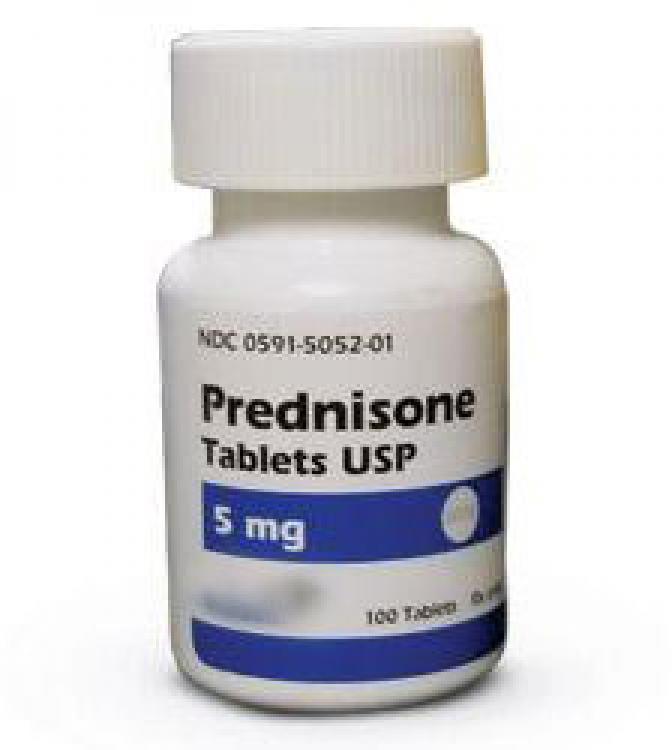
Prednisone is a corticosteroid medication that is used to treat a variety of conditions. It is primarily prescribed to reduce inflammation and suppress the immune system. Some common uses of prednisone include:
- Management of severe allergies, such as allergic reactions to poison ivy or bee stings
- Treatment of autoimmune diseases, such as rheumatoid arthritis or lupus
- Control of asthma symptoms
- Management of skin conditions, such as eczema or psoriasis
- Suppression of transplant rejection
- Treatment of certain types of cancer, such as leukemia or lymphoma
Benefits
The primary benefit of prednisone is its powerful anti-inflammatory properties. By reducing inflammation, prednisone can relieve symptoms such as pain, redness, and swelling. It is often used in acute situations where quick relief is needed, such as severe allergic reactions or acute asthma attacks. Additionally, prednisone can suppress the immune system, making it useful for managing autoimmune conditions or preventing transplant rejection.
Side Effects
While prednisone can be highly effective in treating various conditions, it does come with a range of potential side effects. These side effects can vary depending on the dosage, duration of treatment, and individual response. Some common side effects of prednisone include:
- Increased appetite and weight gain
- Mood changes, such as irritability or depression
- Difficulty sleeping
- Elevated blood pressure
- Increase in blood sugar levels, which can lead to diabetes
- Weakening of the bones, potentially leading to osteoporosis
- Increased risk of infections
- Delayed wound healing
- Thinning of the skin
It is important to note that not everyone will experience these side effects, and the benefits of prednisone usually outweigh the risks when used appropriately and for the prescribed duration.
Warnings
Before taking prednisone, it is crucial to be aware of certain warnings and precautions:
- Long-term use of prednisone can lead to adrenal suppression, which means your adrenal glands may not produce enough natural corticosteroids when the medication is discontinued. It is important to follow your healthcare provider’s instructions when tapering off the medication.
- People with certain health conditions, such as diabetes, high blood pressure, or osteoporosis, may need additional monitoring and adjustments to their treatment plan while taking prednisone.
- Prednisone can interact with other medications, so it is essential to inform your healthcare provider about all the medications you are currently taking.
- Avoid abruptly stopping prednisone without consulting your doctor, as it can result in withdrawal symptoms.
FAQs
Yes, one of the common side effects of prednisone is increased appetite and weight gain. It is crucial to maintain a healthy diet and exercise regularly while taking this medication.
Yes, prednisone suppresses the immune system, which can increase the risk of infections. It is important to take precautions to avoid exposure to illnesses and inform your healthcare provider if you develop any signs of infection.
Prednisone is primarily an anti-inflammatory medication and may not directly relieve pain. However, by reducing inflammation, it can indirectly alleviate pain caused by inflammation-related conditions.
Prednisone can be prescribed to children in select cases, such as severe asthma or certain autoimmune conditions. The dosage and duration of treatment will be determined by the child’s healthcare provider.
No, it is important to taper off prednisone gradually under medical supervision. Abruptly stopping the medication can result in withdrawal symptoms, such as fatigue, muscle pain, and joint discomfort.






