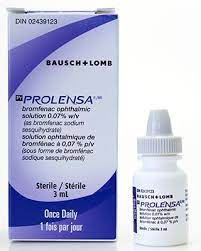
Prolensa is a nonsteroidal anti-inflammatory drug (NSAID) that is used for managing pain and inflammation in eyes. It prevents the production of prostaglandins, which are responsible for causing inflammation, swelling, and pain. This medication can also be used to prevent and treat inflammation after cataract surgery. It is available only with a prescription from a healthcare provider.
Uses of Prolensa
Prolensa is primarily used for the treatment of pain and inflammation in the eyes. The medication is effective in reducing pain and improving vision in patients who have undergone cataract surgery. Additionally, Prolensa can also be used to treat ocular inflammation caused by other conditions such as rheumatoid arthritis, osteoarthritis, and other inflammatory diseases.
Benefits of Prolensa
Prolensa is a highly effective medication that offers a range of benefits. The medication is fast-acting and provides long-lasting pain relief for patients who suffer from ocular inflammation. Prolensa helps to reduce swelling and inflammation in the eyes, which can rapidly improve vision and reduce pain. The medication is also easy to administer and can be prescribed in a convenient eye-drop form.
Side Effects of Prolensa
Prolensa is generally well-tolerated by most patients, but like all medications, it can have side effects. Some of the common side effects of Prolensa include eye irritation, itching, redness, tearing, dry eyes, and a feeling of something in the eye. These side effects are usually mild and go away on their own. However, in some cases, Prolensa can cause more severe side effects such as hives, difficulty breathing, and swelling of the throat, tongue, or mouth. If you experience any of these severe side effects, you should seek medical attention immediately.
Warnings for Patients Taking Prolensa
There are several warnings that patients should be aware of when taking Prolensa. Firstly, Prolensa should not be used by individuals who are allergic to any of its ingredients. Secondly, patients are advised to avoid wearing contact lenses while using Prolensa. Thirdly, Prolensa can cause blurred vision, so patients should wait until their vision has cleared before driving or operating heavy machinery. Fourthly, Prolensa can cause increased bleeding during surgery, so patients should inform their healthcare provider if they are scheduled to undergo any surgical procedures. Lastly, patients with a history of eye problems such as corneal defects or cataracts should use Prolensa with caution and inform their healthcare provider before starting the medication.
conclusion
In conclusion, Prolensa is a highly effective medication that is primarily used for the treatment of pain and inflammation in the eyes. The medication offers a range of benefits, including rapid pain relief and improved vision. However, patients should be aware of the potential side effects and warnings associated with Prolensa, and they should always consult with their healthcare provider before starting any new medications.
FAQs
Prolensa works by inhibiting the production of prostaglandins, which are responsible for causing inflammation, swelling, and pain.
It can take anywhere from a few minutes to several hours for Prolensa to start working, depending on the severity of the inflammation and pain.
Prolensa can be used with other eye medications, but patients should inform their healthcare provider before starting any new treatments.
Patients are advised to avoid wearing contact lenses while using Prolensa.
If you experience any severe side effects such as hives, difficulty breathing, or swelling of the mouth, tongue, or throat, you should seek medical attention immediately.






