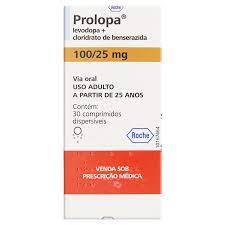
Prolopa is a medication primarily used to treat the symptoms of Parkinson’s disease, such as tremors, muscle stiffness, and poor balance. It works by increasing levels of dopamine in the brain, a neurotransmitter that helps control movement. Here’s a closer look at Prolopa’s uses, benefits, side effects, and warnings.
Uses
Prolopa is primarily used to treat the symptoms of Parkinson’s disease, both as an initial therapy and as an adjunct to other medications. It can help improve motor function, reduce tremors, and enhance balance and coordination. In some cases, it may also be used to treat restless leg syndrome.
Benefits
Prolopa can have several benefits for individuals with Parkinson’s disease, including:
- Improved motor function
- Reduced tremors
- Enhanced balance and coordination
- Improved quality of life
Additionally, Prolopa may be a better option for some individuals over other medications typically used for Parkinson’s due to its unique composition.
Side Effects
Like all medications, Prolopa can cause side effects, with some being more severe than others. Some potential side effects include:
- Nausea and vomiting
- Loss of appetite
- Constipation
- Dry mouth
- Dizziness and lightheadedness
- Headache
- Insomnia
- Anxiety or agitation
- Orthostatic hypotension (sudden drop in blood pressure when standing or sitting up)
It is important to note that not all individuals will experience these side effects. Additionally, some side effects may improve or disappear over time. Inform your healthcare provider if you experience any of these side effects or have concerns.
Warnings
Before taking Prolopa, it is important to inform your healthcare provider of any medical conditions or allergies you may have. Additionally, it is vital to disclose all medications and supplements that you are currently taking as they may interact with Prolopa or affect its effectiveness.
Individuals with a history of narrow-angle glaucoma, seizures, cardiovascular disease, or those taking monoamine oxidase inhibitors (MAOIs) should not take Prolopa unless directed otherwise by their healthcare provider.
Prolopa may also interact with other drugs, such as antipsychotics, antidepressants, and antihypertensives, and increase the likelihood of side effects. If you experience any unusual symptoms, such as changes in mood, vision, or movement, inform your healthcare provider immediately.
FAQs
Prolopa’s effects can be noticed within hours, but it may take several weeks to reach peak effectiveness.
Prolopa should be taken on an empty stomach, at least 30 minutes before meals. This is because protein in food can interfere with the absorption of the medication.
No, it is not safe to stop taking Prolopa abruptly as doing so can cause withdrawal symptoms. Your healthcare provider can advise you on how to gradually reduce the dosage.
Yes, hallucinations are a possible side effect of Prolopa and can occur, particularly in older adults. Always inform your healthcare provider if you experience any unusual symptoms.
Yes, some individuals may experience a change in libido while taking Prolopa. If this is a concern, speak with your healthcare provider as well as your partner to address any issues in a safe and supportive manner.
conclusion,
In conclusion, Prolopa can be an effective medication for the treatment of Parkinson’s symptoms. It is essential to discuss any potential side effects or interactions with your healthcare provider before starting this medication. If you have concerns or experience unusual symptoms while taking Prolopa, talk to your healthcare provider immediately.






