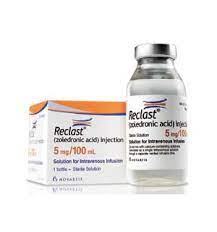
Reclast Intravenous is a medication used to treat and prevent osteoporosis in postmenopausal women and certain other conditions associated with bone loss. It is also known by its generic name, zoledronic acid. In this article, we will explore the uses, benefits, side effects, and warnings of Reclast Intravenous.
Uses
Reclast Intravenous is primarily used to treat osteoporosis, a condition characterized by weak and brittle bones. It is commonly prescribed for postmenopausal women who are at a higher risk of developing osteoporosis. The medication works by inhibiting the breakdown of bones and increasing bone mass, reducing the risk of fractures.
Furthermore, Reclast Intravenous is also used to prevent skeletal-related events in patients with advanced cancer that has spread to the bones. These events include fractures, spinal cord compression, and the need for radiation or surgery to the bone. By reducing bone complications, Reclast Intravenous can improve the quality of life for cancer patients.
Benefits
Reclast Intravenous offers several benefits to patients suffering from osteoporosis or cancer-related bone complications. Some of the key benefits include:
- Reduces the risk of fractures: By increasing bone mass, Reclast Intravenous helps strengthen the bones, making them less prone to fractures.
- Improves bone density: The medication slows down bone loss, which can improve bone density and overall bone health.
- Decreases cancer-related complications: For cancer patients with bone metastases, Reclast Intravenous can reduce the occurrence of skeletal-related events, improving their quality of life.
- Convenience of administration: Reclast Intravenous is administered through a single intravenous infusion, usually given once a year, making it a convenient treatment option.
Side Effects
While Reclast Intravenous offers numerous benefits, it may also cause certain side effects. These side effects can range from mild to severe and may include:
- Flu-like symptoms: Some patients may experience fever, chills, fatigue, muscle or joint pain, and headache after receiving Reclast Intravenous.
- Gastrointestinal issues: Nausea, vomiting, diarrhea, and abdominal pain have been reported as potential side effects.
- Renal impairment: Reclast Intravenous has been associated with kidney problems, including acute kidney injury. Patients with pre-existing kidney conditions should be closely monitored.
- Osteonecrosis of the jaw: Although rare, Reclast Intravenous has been linked to a condition called osteonecrosis of the jaw, which causes jawbone damage. Dental health should be assessed before starting treatment.
- Other side effects: Some patients may experience dizziness, swelling, shortness of breath, or flu-like symptoms lasting longer than a few days. It is important to report any unusual symptoms to a healthcare professional.
Warnings
Before starting Reclast Intravenous, it is crucial to be aware of certain warnings and precautions:
- Allergic reactions: Some individuals may be allergic to Reclast Intravenous. Signs of an allergic reaction include rash, itching, swelling, severe dizziness, and difficulty breathing. Immediate medical attention should be sought if an allergic reaction occurs.
- Renal impairment: Patients with impaired kidney function or a history of kidney disease should be closely monitored while taking Reclast Intravenous. Dose adjustment may be necessary.
- Pregnancy and breastfeeding: Reclast Intravenous should not be used during pregnancy or while breastfeeding, as it may harm the fetus or the infant.
- Interactions with other medications: Reclast Intravenous may interact with other medications, including certain diuretics and nonsteroidal anti-inflammatory drugs (NSAIDs). Inform your healthcare provider about all the medications you are taking.
Conclusion
FAQs
The treatment with Reclast Intravenous typically lasts for one year. However, the duration may vary depending on the individual’s condition and the healthcare provider’s recommendation
Reclast Intravenous is primarily approved for the treatment of postmenopausal women with osteoporosis. However, it may also be prescribed for men with osteoporosis, depending on their specific circumstances.
Reclast Intravenous is not a cure for osteoporosis. It helps slow down bone loss, increase bone mass, and reduce the risk of fractures. It is important to continue treatment as prescribed by your healthcare provider.
No, Reclast Intravenous should be administered by a healthcare professional in a clinical setting, as it requires a proper infusion technique and monitoring.
There are no specific dietary restrictions associated with Reclast Intravenous. However, maintaining a healthy diet rich in calcium and vitamin D is generally recommended for optimal bone health.






