Uses
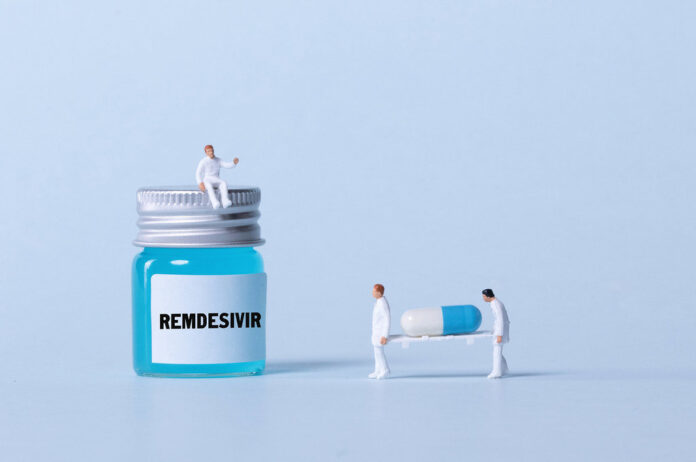
Remdesivir is an antiviral medication primarily used in the treatment of certain viral infections, including COVID-19. It is administered intravenously and works by inhibiting the replication of the virus. It has been authorized by several regulatory authorities for emergency use in patients with severe symptoms of COVID-19.
Benefits
The main benefit of Remdesivir is the potential to reduce the severity and duration of symptoms in patients with COVID-19. Clinical studies have shown that it may help shorten recovery time and decrease the need for supplemental oxygen or mechanical ventilation. By inhibiting viral replication, Remdesivir aims to prevent the virus from further damaging the lungs and other organs.
Side Effects
Like any medication, Remdesivir can cause side effects. Some commonly reported side effects include:
- Nausea and vomiting
- Diarrhea
- Headache
- Increased liver enzymes
- Low blood pressure
It is important to note that not all patients will experience these side effects, and some may experience different or more severe reactions. If you are experiencing any concerning side effects, it is crucial to contact your healthcare provider for guidance.
Warnings
While Remdesivir is generally well-tolerated, there are certain precautions and warnings associated with its use. These include:
- Renal Impairment: Patients with kidney problems may require dosage adjustments as Remdesivir is primarily eliminated through the kidneys.
- Hepatic Impairment: Patients with liver problems may also require dosage adjustments as Remdesivir can affect liver enzymes.
- Pregnancy and Breastfeeding: The safety of Remdesivir in pregnant or breastfeeding women has not been established. It is important to consult with a healthcare professional if considering its use in these situations.
- Drug Interactions: Remdesivir may interact with certain medications, including those that affect liver enzymes or directly interact with Remdesivir, resulting in altered effectiveness or increased side effects.
- Allergies: It is essential to inform your healthcare provider of any known allergies or hypersensitivity reactions before starting Remdesivir.
- In conclusion, Remdesivir holds promise as a treatment option for severe COVID-19 cases, with potential benefits including shorter recovery time and reduced need for supplemental oxygen. However, it is crucial to be aware of the possible side effects and take necessary precautions while using this medication. Always consult with a healthcare professional for personalized advice and guidance.
FAQs (Frequently Asked Questions)
No, Remdesivir is currently approved and authorized for the treatment of COVID-19 only. More research is required to determine its effectiveness against other viral infections.
The duration of treatment with Remdesivir depends on the severity of the infection and the response of the individual patient. It is typically administered intravenously for 5 to 10 days.
As Remdesivir is a relatively new medication, the long-term effects are still unknown. However, based on current knowledge, any potential long-term side effects are expected to be rare.
No, Remdesivir is not recommended for the prevention of COVID-19. It is intended for the treatment of individuals already infected with the virus.
There are currently no age restrictions mentioned in the authorized use of Remdesivir. However, specific considerations and dosage adjustments may be needed in pediatric and elderly patients.






