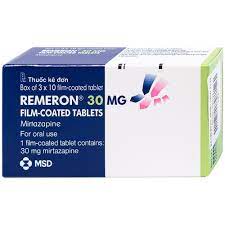
Remeron is an antidepressant drug that works by increasing the activity of certain chemicals in the brain. It is commonly prescribed as a treatment for depression, anxiety, and sleep disorders. In this article, we’ll delve into the uses, benefits, side effects, and warnings of Remeron.
Uses of Remeron
Remeron is primarily used to treat depression. It is also used to treat anxiety disorders and sleep disorders such as insomnia. The drug works by increasing the levels of norepinephrine and serotonin in the brain. These neurotransmitters are known to regulate mood, appetite, and sleep patterns.
Benefits of Remeron
The primary benefit of Remeron is its ability to improve mood and alleviate the symptoms of depression. The drug is also known to have a sedating effect that can help individuals with insomnia get a good night’s rest. Additionally, Remeron has been found to be effective in treating anxiety disorders such as generalized anxiety disorder (GAD) and post-traumatic stress disorder (PTSD).
Side Effects of Remeron
As with any medication, Remeron has some potential side effects that you should be aware of. The most common side effects of Remeron include drowsiness, dizziness, weight gain, and dry mouth. Some individuals may also experience headaches, nausea, constipation, and blurred vision. In rare cases, Remeron can cause more serious side effects such as seizures, allergic reactions, and changes in heart rate or blood pressure.
Warnings of Remeron
Before taking Remeron, you should be aware of some warnings associated with the drug. First, Remeron should not be taken if you are allergic to any of the ingredients in the medication. Additionally, Remeron can interact with other medications, so be sure to let your doctor know about any other medications or supplements you are taking. Finally, Remeron should not be taken by individuals who have recently had a heart attack or who have a history of heart disease.
FAQs
- How long does it take for Remeron to work?
It can take several weeks for Remeron to take full effect. If you don’t notice an improvement in your symptoms after several weeks, you should talk to your doctor about adjusting your dosage or trying a different medication.
- Can Remeron cause weight gain?
Yes, weight gain is a common side effect of Remeron. If you are concerned about weight gain, talk to your doctor about how to manage your weight while taking the medication.
- Can Remeron cause drowsiness?
Yes, drowsiness is a common side effect of Remeron. You should not operate heavy machinery or drive a car while taking the medication until you know how it affects you.
- Can I drink alcohol while taking Remeron?
It is not recommended to drink alcohol while taking Remeron as it can increase the sedative effects of the medication.
- Can I stop taking Remeron suddenly?
No, you should not stop taking Remeron suddenly as it can cause withdrawal symptoms. If you want to stop taking Remeron, talk to your doctor about how to gradually taper off the medication.






