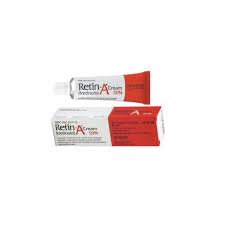
Retin A Topical is a prescription medication that contains tretinoin, a form of vitamin A. It is primarily used to treat acne, but it has other uses as well. In this article, we will explore the uses, benefits, side effects, and warnings associated with Retin A Topical.
Uses
Retin A Topical is commonly prescribed to treat acne. It works by unclogging pores and promoting the turnover of skin cells, which helps to prevent new acne breakouts. Additionally, it can reduce the appearance of acne scars and improve skin texture.
In addition to acne, Retin A Topical is also used to treat other skin conditions such as wrinkles, fine lines, and hyperpigmentation. It can help to improve the overall appearance and texture of the skin, giving it a smoother and more youthful look.
Benefits
Retin A Topical offers several benefits for those who use it. Firstly, it can effectively clear acne and prevent future breakouts. It not only targets existing pimples but also helps to prevent new ones from forming. This can greatly improve the overall condition of the skin and boost self-confidence.
Furthermore, Retin A Topical can reduce the appearance of wrinkles and fine lines. It stimulates collagen production in the skin, which helps to improve its elasticity and firmness. As a result, the skin appears smoother and more youthful.
Another benefit of Retin A Topical is its ability to fade hyperpigmentation. It can lighten dark spots caused by sun damage, age spots, or melasma, giving the skin a more even tone.
Side Effects
While Retin A Topical can be highly effective, it may also cause some side effects. These can vary from person to person and may include:
- Skin dryness and peeling
- Skin irritation and redness
- Sensitivity to sunlight
- Stinging or burning sensation
If you experience severe side effects such as blistering, severe redness, or swelling, it is important to seek medical attention immediately.
Warnings
Retin A Topical should be used with caution and under the guidance of a healthcare professional. It is important to follow the prescribed dosage and application instructions to minimize the risk of side effects.
It is not recommended to use Retin A Topical if you are pregnant or planning to become pregnant, as it may cause harm to the unborn baby. It is advised to use effective contraception while using this medication.
Retin A Topical may also interact with certain medications or skin products. It is important to inform your healthcare provider about any other medications or skincare products you are using to avoid potential interactions.
Furthermore, Retin A Topical can increase sensitivity to sunlight, making the skin more prone to sunburn. It is essential to use sunscreen and protective clothing while using this medication and limit sun exposure.
FAQs
The results may vary, but it usually takes around 4 to 8 weeks to see significant improvements in acne with regular use of Retin A Topical.
Retin A Topical can cause skin irritation, especially in the initial stages of use. If you have sensitive skin, it is advisable to start with a lower concentration of tretinoin and gradually increase as tolerated.
Retin A Topical is not recommended for use during pregnancy as it may have adverse effects on the developing fetus. It is important to discuss alternative options with your healthcare provider.
Using multiple acne medications at the same time may increase the risk of skin irritation. It is advisable to consult with a healthcare professional before combining Retin A Topical with other acne treatments.
Yes, Retin A Topical can be used to improve the appearance of wrinkles, fine lines, and hyperpigmentation. However, it is essential to follow the prescribed dosage and consult with a healthcare professional for optimal results.