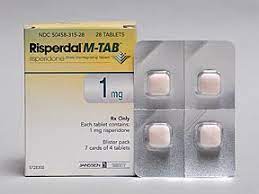
Risperdal M-TAB is a medication that is used to treat schizophrenia, bipolar disorder, and irritability associated with autism. It belongs to a class of drugs known as atypical antipsychotics, which work by changing the activity of certain chemicals in the brain. In this article, we will discuss its uses, benefits, side effects, and warnings.
Uses
Risperdal M-TAB is used to treat the following conditions:
1. Schizophrenia: It is a serious mental disorder in which a person experiences delusions, hallucinations, and disordered thinking.
2. Bipolar disorder: It is a mental illness characterized by mood swings between mania and depression.
3. Irritability associated with autism: It is a common symptom of autism, where the affected person experiences intense and frequent anger, frustration, or agitation.
Benefits
Risperdal M-TAB has several benefits, including:
1. Improvement in symptoms: It helps in reducing the symptoms of schizophrenia, bipolar disorder, and irritability associated with autism.
2. Enhanced quality of life: It improves the patient’s quality of life by helping them to function better in their daily activities.
3. Prevention of relapse: It helps in preventing the recurrence of symptoms in patients with schizophrenia and bipolar disorder, thereby reducing the risk of relapse.
Side Effects
Like all medications, Risperdal M-TAB has some side effects. The common side effects of Risperdal M-TAB include:
1. Drowsiness
2. Dizziness
3. Restlessness
4. Weight gain
5. Increased appetite
6. Dry mouth
7. Constipation
8. Headache
9. Agitation
10. Insomnia
Some of the less common side effects include:
1. Blurred vision
2. Fainting
3. Seizures
4. Irregular heartbeat
5. Difficulty breathing
If you experience any of these symptoms, you should contact your doctor immediately.
Warnings
Risperdal M-TAB should not be used in the following conditions:
1. Allergies: If you have an allergy to risperidone or any other component of Risperdal M-TAB, you should not take this medication.
2. Pregnancy: It is not recommended to use this medication during pregnancy or breastfeeding, as it may harm the developing fetus or newborn baby.
3. Liver or kidney disease: If you have liver or kidney disease, your doctor may adjust your dosage of Risperdal M-TAB.
4. Parkinson’s disease: Risperdal M-TAB may worsen the symptoms of Parkinson’s disease.
5. Diabetes: It may increase blood sugar levels in people with diabetes.
6. Heart disease: Risperdal M-TAB may cause changes in heart rhythm and should be used with caution in people with heart disease.
7. Dementia-related psychosis: Risperdal M-TAB may increase the risk of mortality in older adults with dementia-related psychosis.
Frequently Asked Questions
- Is Risperdal M-TAB addictive?
Can I drink alcohol while taking Risperdal M-TAB?
- Can I drink alcohol while taking Risperdal M-TAB?
No, it is not recommended to drink alcohol while taking Risperdal M-TAB as it may increase dizziness and sedation.
- Can Risperdal M-TAB cause weight gain?
Yes, Risperdal M-TAB may cause weight gain.
- How long does it take for Risperdal M-TAB to work?
It may take several weeks to see the full effect of Risperdal M-TAB.
- Can I stop taking Risperdal M-TAB suddenly?
No, it is not recommended to stop taking Risperdal M-TAB suddenly, as it may cause withdrawal symptoms. You should consult your doctor before stopping this medication.






 treats schizophrenia, Includes uses, benefits, risks, and important safety warnings for patients.)