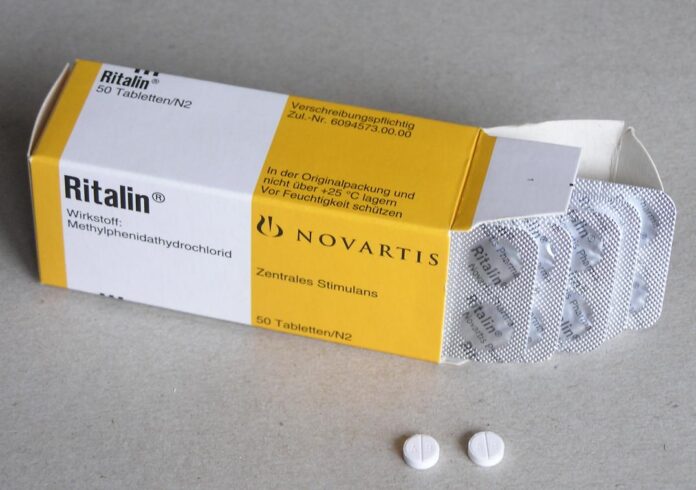
With the growing prevalence of attention deficit hyperactivity disorder (ADHD) and narcolepsy, medications such as Ritalin have become essential in addressing these conditions. Ritalin, also known as methylphenidate, is a central nervous system stimulant commonly prescribed to manage symptoms of ADHD and narcolepsy. This article will explore the uses, benefits, side effects, and warnings associated with Ritalin.
Uses
Ritalin for ADHD: Ritalin is primarily prescribed for the treatment of ADHD, a neurodevelopmental disorder characterized by inattention, hyperactivity, and impulsivity. By increasing the levels of certain neurotransmitters in the brain, Ritalin helps improve focus, reduce impulsiveness, and enhance organizational skills.
Ritalin for Narcolepsy: Narcolepsy is a sleep disorder that causes excessive daytime sleepiness, sudden sleep attacks, hallucinations, and muscle weakness. Ritalin assists in managing narcolepsy symptoms by promoting wakefulness and reducing daytime sleepiness.
Benefits
Improved Concentration: One of the primary benefits of Ritalin is an enhanced ability to concentrate. This medication helps individuals with ADHD stay focused on tasks, allowing them to complete their work efficiently and effectively.
Increased Alertness: Ritalin helps individuals with narcolepsy combat excessive daytime sleepiness, allowing them to remain more alert and awake throughout the day. This promotes a better quality of life by reducing the frequency and severity of narcoleptic episodes.
Enhanced Self-Control: For individuals with ADHD, impulsivity is a common challenge. Ritalin aids in improving self-control, reducing impulsive behavior, and enhancing decision-making skills.
Side Effects
While Ritalin can be highly beneficial, it is important to be aware of potential side effects:
1. Insomnia: Some individuals experience difficulty falling or staying asleep as a result of taking Ritalin. It is advisable to take the medication earlier in the day to minimize the impact on sleep patterns.
2. Loss of Appetite: Ritalin may suppress appetite, leading to weight loss. Monitoring nutritional intake is crucial, particularly in children who are still growing.
3. Headaches: Headaches are a common side effect of Ritalin but often subside after a short period of time. If headaches persist or worsen, consulting a healthcare professional is recommended.
4. Increased Heart Rate: Ritalin stimulates the central nervous system, which can result in an elevated heart rate. Individuals with pre-existing heart conditions should use this medication with caution and under medical supervision.
5. Nervousness and Anxiety: Some individuals may experience heightened feelings of anxiety or nervousness while taking Ritalin. If these side effects become problematic, it is essential to consult a physician.
Warnings
While Ritalin is generally safe and effective when used as prescribed, certain precautions should be taken into account:
1. Dependence and Abuse: Ritalin has the potential for both physical and psychological dependence. Misuse or abuse of this medication can lead to addiction. It should only be used under the supervision of a healthcare professional and according to the prescribed dosage.
2. Psychiatric Disorders: Individuals with a history of mood disorders, psychosis, or bipolar disorder may be at higher risk of experiencing exacerbated symptoms while taking Ritalin. Close monitoring by a healthcare provider is crucial in such cases.
3. Growth Suppression: Prolonged Ritalin use in children may affect growth. Regular monitoring of height and weight is important, and adjustments to the dose may be considered by the prescribing physician.
4. Drug Interactions: Ritalin can interact with various medications, including antidepressants, blood pressure medications, and antacids. It is essential to inform your healthcare provider of all medications being taken to avoid potential interactions.
5. Allergic Reactions: Allergic reactions to Ritalin are rare but can occur. It is vital to seek immediate medical attention if symptoms of an allergic reaction, such as rash, itching, swelling, or difficulty breathing, develop.
FAQs (Frequently Asked Questions)
Ritalin has the potential for dependence and abuse, making it important to use this medication as prescribed and under proper medical supervision.
Yes, Ritalin can be prescribed for adults who experience ADHD or narcolepsy symptoms. The dosage and treatment plan should be determined by a healthcare professional.
In general, the effects of Ritalin start within 30 to 60 minutes after ingestion. The duration of effect can vary between individuals and depends on factors such as dosage and formulation.
Yes, there are alternative medications available for managing ADHD, such as Adderall and Concerta. The choice of medication depends on individual needs and response to treatment.
Ritalin can enhance focus and attention, which may indirectly contribute to improved academic performance. However, it is essential to address other factors such as study habits, motivation, and support systems to optimize academic success.






