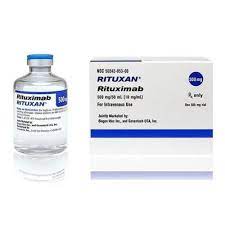
Uses:
Rituxan Intravenous is a medication used in the treatment of certain types of cancer and autoimmune diseases. It is commonly prescribed for non-Hodgkin’s lymphoma, chronic lymphocytic leukemia, rheumatoid arthritis, granulomatosis with polyangiitis, and microscopic polyangiitis. Rituxan works by targeting and destroying specific cells in the body that contribute to the development of these conditions.
Benefits:
Rituxan Intravenous offers several benefits to patients with cancer and autoimmune diseases. It helps to slow down the progression of non-Hodgkin’s lymphoma and chronic lymphocytic leukemia, and can even induce remission in some cases. In patients with rheumatoid arthritis, Rituxan helps reduce joint inflammation and pain, improving overall quality of life. Additionally, it can be effective in treating granulomatosis with polyangiitis and microscopic polyangiitis by suppressing the body’s immune response.
Side Effects:
As with any medication, Rituxan Intravenous may cause side effects in some individuals. Common side effects include fatigue, fever, chills, headache, nausea, and diarrhea. These side effects are usually mild and temporary. However, it is important to report any severe or persistent side effects to your healthcare provider. In rare cases, Rituxan may cause serious side effects such as severe infusion reactions, infections, heart problems, lung problems, and skin reactions. It is crucial to seek immediate medical attention if you experience any unusual symptoms.
Warnings:
Before starting Rituxan Intravenous, it is important to inform your doctor about any existing medical conditions, allergies, or medications you are currently taking. Rituxan may not be suitable for individuals with a history of severe allergic reactions, certain infections, or heart problems. It is also important to inform your healthcare provider if you are pregnant, planning to become pregnant, or breastfeeding, as the medication may pose risks to the unborn baby or nursing infant. Regular monitoring of blood cell counts and other laboratory tests may be necessary during treatment with Rituxan.
Frequently Asked Questions (FAQs)
Rituxan Intravenous is not a cure for cancer, but it can help slow down the progression of certain types of cancer, induce remission, and improve overall survival rates in some cases.
The time it takes for Rituxan to start working may vary depending on the condition being treated. In some cases, patients may start noticing improvements within a few weeks, while in others, it may take longer.
Yes, Rituxan can increase the risk of infections. It is important to report any signs of infection, such as fever, sore throat, or cough, to your healthcare provider immediately.
It is generally recommended to complete all necessary vaccinations before starting Rituxan treatment. However, certain vaccines may be administered during treatment if approved by your healthcare provider.
Rituxan Intravenous is approved for use in certain pediatric conditions, such as pediatric non-Hodgkin’s lymphoma and certain autoimmune diseases. However, the safety and effectiveness of Rituxan in children may vary depending on the specific condition and individual factors.






