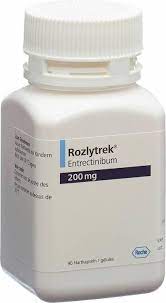
Rozlytrek is a medication that is used to treat certain types of cancer, including non-small cell lung cancer and solid tumors that have a neurotrophic tyrosine receptor kinase (NTRK) gene fusion. This medication works by blocking the action of the NTRK proteins, which are responsible for the growth and spread of certain types of cancer cells. In this article, we will discuss the uses, benefits, side effects, and warnings of Rozlytrek.
Uses
Rozlytrek is primarily used to treat non-small cell lung cancer and solid tumors that have an NTRK gene fusion. Non-small cell lung cancer is the most common type of lung cancer and accounts for approximately 85 percent of all lung cancer cases. NTRK gene fusions are rare genetic abnormalities that can cause certain types of cancer cells to grow and spread rapidly.
In addition to its primary uses, Rozlytrek may also be used to treat other types of cancer, including thyroid cancer and colorectal cancer. However, the effectiveness of rozlytrek in these other types of cancer is not yet fully established, and further research is needed.
Benefits
The benefits of rozlytrek are mainly focused on its ability to effectively manage cancer cells that have an NTRK gene fusion. Clinical trials have shown that rozlytrek is effective in treating non-small cell lung cancer and solid tumors with NTRK gene fusions. Moreover, the medication has been shown to significantly slow down the growth and spread of these cancers.
Another benefit of rozlytrek is its ability to cross the blood-brain barrier, meaning it can treat tumors that form in the brain or spinal cord. This is particularly beneficial for cancer patients who may develop brain metastasis, which is a serious complication of cancer.
Side Effects
Like all medications, rozlytrek can cause side effects. Some of the most common side effects associated with rozlytrek include:
- Nausea
- Dizziness
- Vomiting
- Constipation
- Diarrhea
- Fatigue
- Difficulty sleeping
- Loss of appetite
In addition, rozlytrek may cause more serious side effects, including liver damage, pneumonitis (inflammation of the lungs), and hypertension (high blood pressure). Some patients may also experience mental health effects such as confusion, depression, and anxiety.
Patients who experience any of these serious side effects should seek medical attention immediately.
Warnings
There are several warnings associated with rozlytrek that patients and healthcare providers should be aware of. These include:
- Hepatotoxicity: Rozlytrek can cause liver damage, which can be fatal in some cases. Patients should be closely monitored for signs of liver injury, including elevated liver enzymes and jaundice.
- Pneumonitis: Rozlytrek can cause inflammation of the lungs, which can lead to coughing, shortness of breath, and fever. Patients who experience these symptoms should seek medical attention immediately.
- Hypertension: Rozlytrek can cause high blood pressure, which can lead to serious complications such as stroke and heart attack.
- Neurological effects: Rozlytrek can cause dizziness, confusion, and other neurological effects. Patients should avoid driving or operating heavy machinery until they know how the medication affects them.
- Pregnancy and breastfeeding: Rozlytrek can cause harm to a developing fetus and should not be taken during pregnancy. Women who are breastfeeding should also avoid taking rozlytrek as it may be passed to the infant through breast milk.
- Drug interactions: Rozlytrek may interact with other medications, including certain antibiotics and antifungal medications.
Patients and healthcare providers should carefully consider these warnings before deciding to use rozlytrek.
In conclusion, rozlytrek is a medication that has shown promise in treating certain types of cancer, including non-small cell lung cancer and solid tumors with NTRK gene fusions. However, it is important to consider the potential benefits and risks of the medication before deciding to use it. Patients and healthcare providers should work together to carefully monitor for side effects and adjust the treatment plan as needed.
FAQs
Non-small cell lung cancer is the most common type of lung cancer and accounts for approximately 85 percent of all lung cancer cases. It is named for the type of cells that make up the tumor, which are larger and more varied in shape than small cell lung cancer cells.
An NTRK gene fusion is a rare genetic abnormality in which a gene in the NTRK family fuses with another gene, causing the NTRK protein to become overactive. This overactive protein can cause certain types of cancer cells to grow and spread more rapidly.
The most common side effects of rozlytrek include nausea, dizziness, vomiting, constipation, diarrhea, fatigue, difficulty sleeping, and loss of appetite.
Rozlytrek is primarily used to treat non-small cell lung cancer and solid tumors with NTRK gene fusions. However, it may also be used to treat other types of cancer, including thyroid cancer and colorectal cancer.
If you experience any side effects while taking rozlytrek, you should speak with your healthcare provider. They may be able to suggest ways to manage your symptoms, or they may decide to adjust your dosage or switch you to a different medication. If you experience serious side effects such as liver damage or pneumonitis, seek medical attention immediately.






