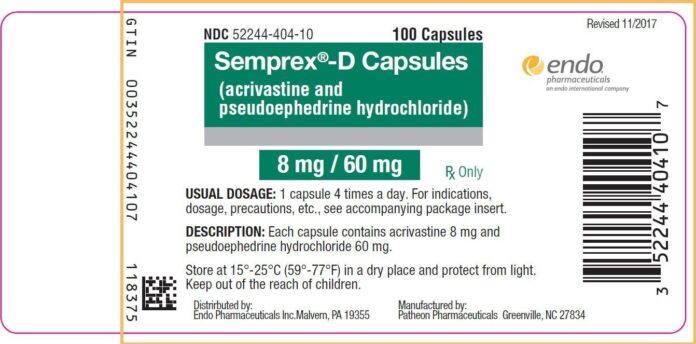
Semprex D is a medication that is commonly prescribed to individuals suffering from seasonal allergies. It contains two active ingredients: acrivastine and pseudoephedrine, which work together to alleviate symptoms such as sneezing, itching, watery eyes, and nasal congestion. This article aims to provide a comprehensive overview of Semprex D, including its uses, benefits, side effects, and warnings.
Uses
Semprex D is primarily used to relieve symptoms associated with seasonal allergies, also known as hay fever. These symptoms can include a runny or stuffy nose, sneezing, itching, and watery eyes. The acrivastine component of Semprex D helps to block the effects of histamine, which is a substance that is released by the body in response to allergens. Pseudoephedrine, on the other hand, works as a decongestant, reducing nasal congestion by constricting blood vessels in the nasal passages.
Benefits
The main benefit of Semprex D is its ability to provide relief from the uncomfortable symptoms of seasonal allergies. By blocking the effects of histamine and reducing nasal congestion, it can significantly alleviate symptoms such as sneezing, itching, and a runny or stuffy nose. This medication enables individuals to enjoy outdoor activities without being hindered by their allergies.
Side Effects
While Semprex D is generally well-tolerated, there are some possible side effects that individuals should be aware of. Common side effects may include drowsiness, dizziness, dry mouth, and blurred vision. These side effects are usually mild and temporary. However, if they persist or worsen, it is important to consult a healthcare professional. In rare cases, more severe side effects such as rapid heartbeat, difficulty urinating, or allergic reactions may occur. If any of these serious side effects are experienced, immediate medical attention is necessary.
Warnings
Prior to taking Semprex D, it is essential to inform your healthcare provider about any existing medical conditions or allergies you may have. Individuals with a history of heart disease, high blood pressure, diabetes, thyroid disorders, or glaucoma should exercise caution when using this medication. Semprex D can also interact with certain medications, such as antidepressants or monoamine oxidase inhibitors (MAOIs), so it is crucial to disclose all medications you are currently taking to your healthcare professional.
Additionally, Semprex D may cause drowsiness or dizziness. It is advised to avoid driving or engaging in activities that require alertness until you are aware of how this medication affects you. Alcohol consumption may intensify these effects, so it is recommended to limit or avoid alcohol while taking Semprex D.
Overall, Semprex D is a medication that can effectively relieve the symptoms of seasonal allergies. However, it is important to use it as directed and consult with a healthcare professional if you have any concerns or questions regarding its use.
FAQs
Semprex D is specifically designed for the relief of symptoms associated with seasonal allergies. It may not be suitable for year-round allergies. Consult with your healthcare provider for appropriate treatment options.
Semprex D is not recommended for use in children under the age of 12. Consult with a pediatrician for suitable alternatives.
It is important to consult with a healthcare professional before combining Semprex D with other allergy medications, as it may lead to excessive drowsiness or other unwanted side effects.
Semprex D typically starts providing relief within 1 to 3 hours after ingestion. However, individual response may vary.
Pregnant women should consult with their healthcare provider before using Semprex D, as its safety during pregnancy has not been established.






