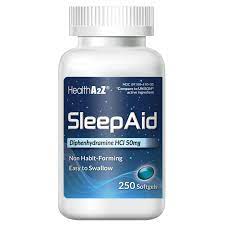
Sleep is a vital component of overall health and well-being. However, many individuals struggle with falling asleep or staying asleep. Fortunately, sleep aids such as Diphenhydramine can provide relief for those experiencing sleep disturbances. In this article, we will explore the uses, benefits, side effects, and warnings of Diphenhydramine as a sleep aid.
Uses
Diphenhydramine is primarily used as an over-the-counter sleep aid. It belongs to a class of medications called antihistamines, which work by blocking the effects of histamine, a chemical that promotes wakefulness. By inhibiting histamine, Diphenhydramine induces drowsiness, helping individuals fall asleep faster and maintain a restful sleep throughout the night.
Benefits
The main benefit of Diphenhydramine is its ability to effectively treat temporary sleep difficulties. It can be particularly helpful for individuals who experience occasional insomnia due to factors like jet lag, stress, or changes in sleep schedule. Diphenhydramine can help restore a regular sleep pattern and improve overall sleep quality.
Additionally, Diphenhydramine has been found to have a sedating effect, providing relief for those with allergies or cold symptoms that may interfere with sleep. By reducing symptoms such as sneezing, itching, or a runny nose, Diphenhydramine can promote a more comfortable and uninterrupted sleep.
Side Effects
While Diphenhydramine is generally safe for short-term use, it is important to be aware of potential side effects. Some individuals may experience drowsiness, dizziness, or a dry mouth after taking Diphenhydramine. These side effects are typically mild and temporary. However, it is recommended to avoid activities that require alertness, such as driving or operating heavy machinery, until the effects of Diphenhydramine wear off.
In rare cases, Diphenhydramine may cause more severe side effects, such as blurred vision, confusion, or difficulty urinating. If any of these symptoms occur, it is advisable to seek medical attention immediately. It is also important to note that Diphenhydramine should not be used by individuals with certain medical conditions, such as glaucoma, asthma, or an enlarged prostate, unless specifically directed by a healthcare professional.
Warnings
While Diphenhydramine can be an effective sleep aid, it is essential to follow the recommended dosage and usage guidelines. Taking more than the recommended dose can increase the risk of experiencing adverse effects. Additionally, Diphenhydramine should not be used for an extended period without consulting a healthcare professional, as long-term use may lead to dependence or tolerance.
It is also important to consider potential interactions with other medications. Diphenhydramine may interact with certain antidepressants, sedatives, or tranquilizers, intensifying their effects and increasing the risk of side effects. Therefore, it is crucial to inform your healthcare provider about all medications you are taking to ensure safe and appropriate use of Diphenhydramine.
FAQs
While the risk of addiction to Diphenhydramine is low, long-term use may lead to dependence or tolerance. It is best to consult a healthcare professional if you require a sleep aid for an extended period.
Diphenhydramine usually starts working within 30 to 60 minutes after ingestion. It is recommended to take it before bedtime to ensure a restful night’s sleep.
Diphenhydramine is not recommended for children under the age of 12 without the guidance of a healthcare professional. It is important to follow age-specific dosing instructions and consult a pediatrician.
Yes, Diphenhydramine can be used to relieve allergy symptoms such as sneezing, itching, or a runny nose. However, it is advisable to consult your healthcare provider before using Diphenhydramine alongside other allergy medications.
Combining Diphenhydramine with other sleep aids may increase the risk of side effects and excessive sedation. It is crucial to consult a healthcare professional before combining different sleep aids.






