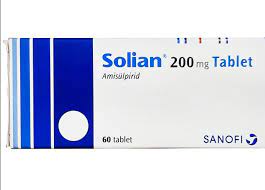
Solian is a medication that belongs to the class of antipsychotics. This medication is primarily used to treat schizophrenia and bipolar disorder. It is also used for other psychiatric disorders such as severe anxiety and depression that is unresponsive to other medications. Solian is a prescription only medicine and should be taken under the guidance of a medical professional.
Uses of Solian
Solian is given to people who have been diagnosed with schizophrenia, for the treatment of symptoms such as hallucinations, paranoia, and delusions. It is also used to manage bipolar disorder, particularly when manic symptoms are present. In addition to treating these conditions, Solian is sometimes prescribed to help treat severe anxiety, depression, and obsessive-compulsive disorder.
Benefits of Solian
The greatest benefit of Solian is that it helps to stabilize and improve the quality of life for people with severe psychiatric disorders. Schizophrenia and bipolar disorder are both very complex and can be difficult to manage without medication. Solian helps to reduce symptoms and improve day-to-day functioning in many people. In some cases, it can even help reduce the frequency and severity of future psychotic episodes.
Solian can also be beneficial for people who have other psychiatric disorders when other medications have not been successful. It can help with severe anxiety that is not controlled by benzodiazepines, and depression that has not been relieved by other antidepressants.
Side Effects of Solian
While Solian can be very effective, it can also cause side effects. Some common side effects include drowsiness, dizziness, dry mouth, constipation, and blurred vision. More serious side effects include:
- Increased risk of stroke in elderly patients with dementia-related psychosis
- Muscle stiffness and tremors
- Restlessness
- Low white blood cell count
- Weight gain
- Sexual dysfunction
- Changes in menstrual cycle
Because Solian can cause significant side effects, it is important to work with your doctor closely to monitor how you are feeling and to change your dosage or medication if necessary.
Warnings about Solian
Solian is not recommended for everyone. It should not be prescribed to individuals who have a history of allergic reactions to the medication or who have severe liver or kidney problems. It is also not recommended for use during pregnancy and breastfeeding, as it can pass through breast milk and cause harm to the baby.
Solian can interact with other medications, particularly those that affect the nervous system, such as antidepressants and other antipsychotic drugs. It is important to tell your doctor about all medications you are currently taking.
FAQs about Solian
Solian is a medication that belongs to the class of antipsychotics and primarily used to treat schizophrenia and bipolar disorder. It is also used for other psychiatric disorders such as severe anxiety and depression that is unresponsive to other medications.
The greatest benefit of Solian is that it helps to stabilize and improve the quality of life for people with severe psychiatric disorders.
Some common side effects of Solian include drowsiness, dizziness, dry mouth, constipation, and blurred vision.
Solian should not be prescribed to individuals who have a history of allergic reactions to the medication or who have severe liver or kidney problems.
If you experience side effects while taking Solian, contact your doctor immediately. They may recommend changing your dosage or medication if necessary.






