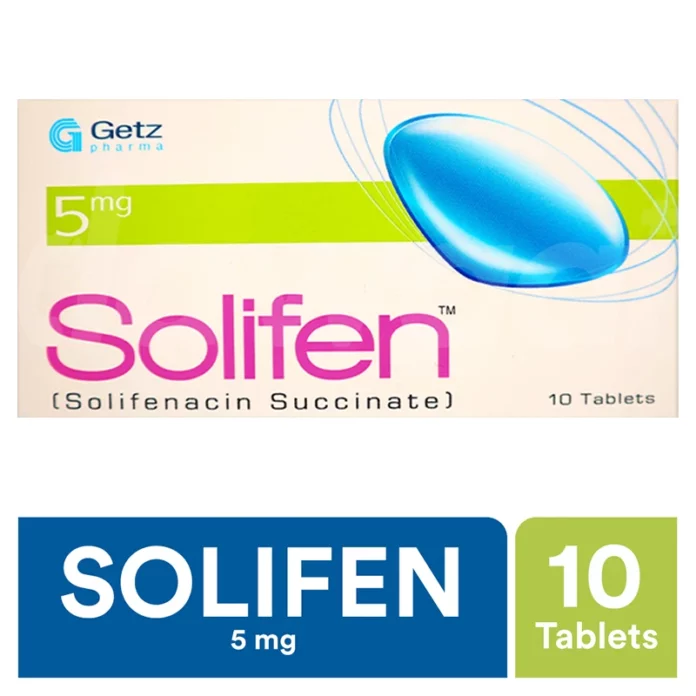
Solifenacin is a medication that is prescribed to treat overactive bladder. It belongs to a class of drugs known as antimuscarinics, which work by relaxing the muscles in the bladder. This article will provide an overview of the uses, benefits, side effects, and warnings associated with Solifenacin.
Uses
Solifenacin is primarily used to relieve symptoms associated with overactive bladder, such as frequent urination, urgency, and incontinence. It helps to reduce the muscle contractions in the bladder, leading to better control over urination. Solifenacin is often prescribed when lifestyle changes, such as fluid restriction and bladder training, have not effectively managed the symptoms.
Benefits
The main benefit of Solifenacin is the improvement of overactive bladder symptoms. By reducing the urge to urinate and the frequency of bathroom visits, Solifenacin provides relief and enhances the quality of life for individuals with this condition. It allows for better control over the bladder muscles, leading to a decrease in accidents and disruptions to daily activities.
Side Effects
While Solifenacin is generally well-tolerated, some individuals may experience side effects. The most common side effects include dry mouth, constipation, blurred vision, and dry eyes. These side effects are typically mild and can be managed by practicing good oral hygiene, increasing fiber intake, using artificial tears, and avoiding activities that require clear vision while experiencing blurred vision.
In rare cases, Solifenacin can cause more serious side effects that require immediate medical attention. These include difficulty urinating, severe stomach or abdominal pain, jaundice (yellowing of the skin and eyes), and allergic reactions (such as rash, itching, swelling, severe dizziness, or trouble breathing). It is important to seek medical help if any of these severe side effects occur.
Warnings
Before taking Solifenacin, it is important to inform your healthcare provider about any pre-existing medical conditions or allergies you may have. Solifenacin may not be suitable for individuals with certain medical conditions, such as urinary retention, gastric retention, or uncontrolled narrow-angle glaucoma.
Additionally, Solifenacin may interact with other medications, including specific antibiotics, antifungal drugs, and certain HIV medications. It is crucial to inform your doctor about all the medications you are currently taking to avoid any potential interactions.
Pregnant and breastfeeding individuals should consult with their healthcare provider before taking Solifenacin, as its safety during these periods has not been thoroughly studied.
Frequently Asked Questions
The onset of Solifenacin’s effect varies from person to person. While some individuals may experience improvement within a few days, it may take up to several weeks for others to notice a significant difference. It is important to continue taking the medication as prescribed and consult with your doctor if there are no improvements after a reasonable duration.
Solifenacin can be taken with or without food, as it does not significantly affect the absorption of the medication. However, if you experience stomach discomfort or upset, taking Solifenacin with food may help alleviate these symptoms.
Weight gain is not a commonly reported side effect of Solifenacin. If you notice any unexplained weight gain while taking this medication, it is advisable to consult with your doctor to investigate potential underlying causes.
Solifenacin can be prescribed for long-term use, depending on the individual’s condition and response to the medication. It is important to regularly assess the effectiveness and monitor any potential side effects. Your healthcare provider will determine the appropriate duration for your specific situation.
Solifenacin is not typically prescribed for children unless specifically recommended by a pediatric urologist or healthcare provider specializing in pediatric care. The safety and efficacy of Solifenacin in children have not been extensively studied, so its use in this population is limited.






